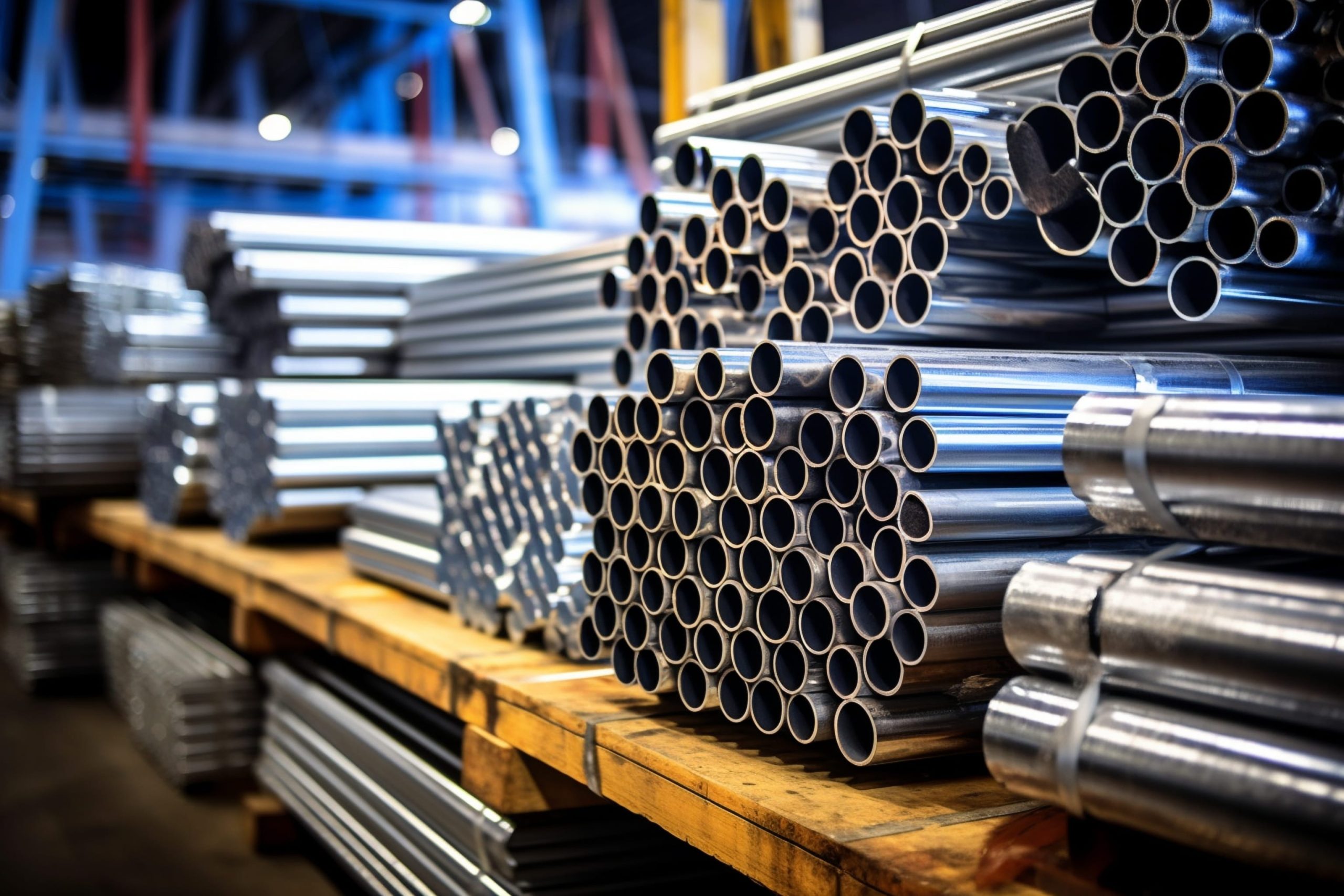
10 Questions to Ask Before Ordering Industrial Products in the Philippines
When you order industrial products from manufacturer or supplier, you have an opportunity to choose materials that support the quality, efficiency, and long-term success of your business.
Whether you are sourcing steel for a construction project or products for a real estate or medical facility, every purchase can contribute to better operations.
The growing selection of industrial products in the Philippines gives businesses more options to find materials suited to their specific needs. From product specifications to delivery, several factors can help you identify the best products and supplier for your application.
A thoughtful approach to procurement also makes it easier to build strong supplier relationships. By asking the right questions before placing an order, you can compare your options and choose products that align with your project requirements.
Here are some questions to ask before ordering industrial products for your business.
10 Questions to Ask When Ordering Industrial Products
Whether you are sourcing steel pipes for a construction project or other materials for industrial use, ask these questions before finalizing your order.
1. What exact product specifications do I need?
Start with the technical requirements, not the supplier’s available inventory.
For steel products, this can include the material grade, diameter, thickness, length, finish, and applicable standard. For other industrial products, you may need to consider dimensions, load capacity, material composition, operating conditions, and compatibility with existing equipment.
For example, a stainless steel pipe intended for a demanding environment may require a different grade and wall thickness from one used for a less demanding application.
Being specific at the beginning helps prevent a common procurement problem: receiving a product that looks right but does not meet the actual requirements of the project.
2. Does the product meet the required Philippine standards?
Not every industrial product is interchangeable. Depending on the product and application, Philippine standards and mandatory certification requirements may apply.
The Bureau of Philippine Standards’ product certification information explains that products covered by mandatory certification schemes must comply with applicable Philippine National Standards before they can be distributed in the Philippine market. The system covers several categories, including mechanical and building construction materials.
Steel buyers should pay particular attention to product markings and documentation. The BPS also advises consumers, hardware stores, construction companies, and contractors to look for approved markings on covered steel products.
Ask the supplier which standards apply to the product and whether supporting documentation can be provided.
3. Can the supplier provide product certifications or test documents?
A product specification tells you what the material is supposed to be. Supporting documentation helps demonstrate whether it meets that specification.
Depending on the product, you may need certificates, test reports, inspection documents, or other quality records. These documents can be particularly important for construction and engineering projects where materials need to meet project specifications.
If you are working with an industrial products manufacturer, distributor, or supplier, ask what documentation accompanies the product and whether it can be provided before or upon delivery.
4. Is the supplier experienced in my industry?
The right supplier should understand more than the product itself.
A construction contractor may need materials that comply with project specifications and arrive according to a construction schedule. A furniture manufacturer may prioritize consistent dimensions and repeat availability. A medical facility may require products that are suitable for frequent use, easy to maintain, or compatible with specialized equipment.
This is why choosing a supplier of industrial products should involve more than comparing quotations. Consider the supplier’s product range, technical knowledge, experience, and ability to support your application.
A supplier familiar with your industry can also help you identify specifications you may have overlooked.
5. Is the product suitable for its operating environment?
Where will the product be used? Consider exposure to moisture, chemicals, heat, outdoor conditions, heavy loads, frequent movement, or other factors that could affect performance.
For example, caster wheels used in warehouses, hospitals, furniture, and industrial facilities can have very different requirements. The factors such as load capacity, floor surface, maneuverability, and operating environment should be considered when selecting caster wheels.
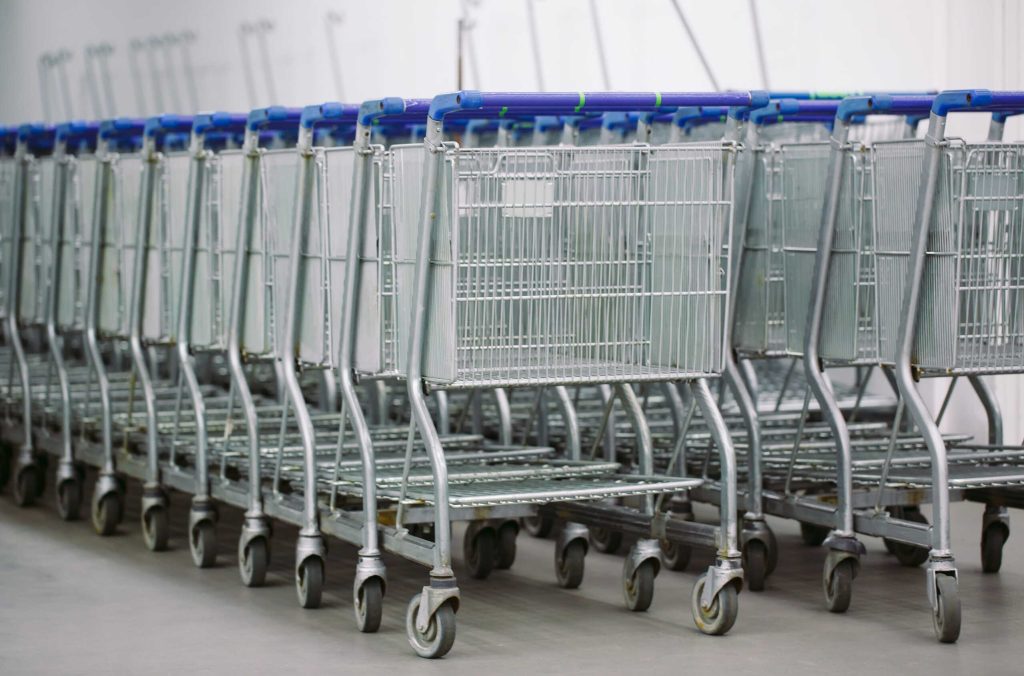
The same principle applies to other industrial products in the Philippines. A product that performs well in one environment may not be the best choice for another.
6. What is the product’s expected service life?
Purchase price is only one part of the cost.
A cheaper product may appear attractive initially but could require more frequent replacement if it is not suited to the application. A more durable product may cost more upfront while providing better long-term value.
Ask about expected service life, maintenance requirements, wear resistance, and operating limitations.
For businesses such as furniture manufacturers, hardware stores, and medical facilities, product durability can directly affect operating costs and customer satisfaction.
7. Can the supplier maintain consistent quality for repeat orders?
This question becomes especially important when you regularly purchase the same material.
A contractor may need the same specifications throughout several phases of a project. A hardware store may need dependable inventory for its customers. A furniture manufacturer may require consistent components across multiple production batches.
Ask whether the supplier can maintain the same specifications and quality standards for future orders.
You should also consider whether the supplier has a documented quality management system. According to ISO’s overview of ISO 9001, the standard focuses on establishing, maintaining, and continually improving a quality management system, including processes for meeting customer requirements and evaluating performance.
8. What are the minimum order quantities and lead times?
A product may be suitable for your project but still create problems if you cannot receive it when you need it.
Before ordering, confirm:
- Minimum order quantity
- Available stock
- Production lead time
- Delivery schedule
- Cut-off times for orders
- Availability of repeat orders
- Estimated delivery location and costs
This is particularly important for construction companies working with fixed project schedules.
For businesses managing warehouses, storage capacity also matters. Overstocking materials ties up capital and takes up valuable space, while ordering too little can lead to stockouts and project delays.
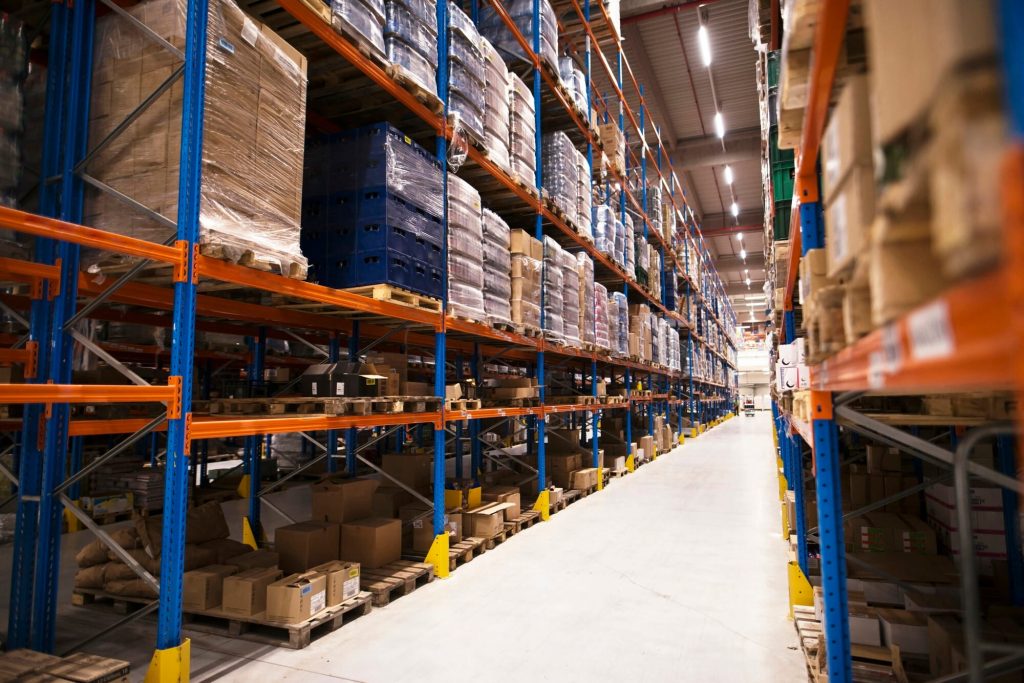
Efficient inventory management can help businesses reduce unnecessary stock and make better use of available warehouse space.
9. What happens if the product arrives damaged or does not meet the specifications?
Before placing a large order, understand the supplier’s policies for damaged, defective, or incorrect products.
Ask about inspection procedures, replacement policies, return conditions, and who handles transportation for approved replacements.
It is also useful to establish what documentation you should provide if there is a problem. Having these details in writing can make the resolution process much easier.
A reliable supplier should be willing to discuss these conditions before you place an order, rather than leaving them unclear until an issue occurs.
10. Can the supplier support my business beyond a single order?
Your business may eventually need different sizes, materials, quantities, or related products. A supplier that can support multiple requirements can simplify procurement and reduce the time spent searching for new sources.
This is especially useful for contractors, hardware store owners, furniture manufacturers, real estate companies, and medical facilities that regularly purchase materials and equipment.
If you are still exploring what industrial products are and which materials may suit your business, having a supplier with a broad product range can give you more options to consider.
Before choosing an industrial products manufacturer or distributor, consider whether the company can become a dependable long-term supplier.
Why Choose Industrial Products From Global Nexus
Finding a supplier that can meet your specifications, quality requirements, and delivery needs can make procurement easier.
Global Nexus supplies steel and other industrial products for businesses across the Philippines. Its product range includes stainless steel pipes, steel products, caster wheels, and other materials used across construction, manufacturing, furniture, warehousing, and other applications.
For example, Global Nexus offers different caster wheel materials and configurations designed for various load requirements and operating environments. Its range includes nylon, polyurethane, PVC, thermoplastic rubber, and cast iron options.
The company also emphasizes product selection based on application. This approach is useful when you need more than a standard item and want to make sure the material or component fits the intended use.
When comparing suppliers, consider more than who offers the lowest quotation. Look at product quality, specifications, available inventory, technical support, documentation, delivery capabilities, and long-term reliability.
Source the Right Industrial Products for Your Business
Choosing industrial materials is an important procurement decision. The right product can support project performance, improve operational efficiency, and reduce unnecessary replacement costs.
Before you place an order, take the time to confirm the product specifications, certifications, delivery schedule, and after-sales support.
Whether you are a hardware store owner managing inventory or a real estate company preparing a development, asking the right questions can help you make a more informed purchase.
Ready to source reliable industrial products for your business? Explore Global Nexus’ industrial products in the Philippines. Partner with us today.