What Are Industrial Products? Types, Examples, and Industry Uses
Every successful project depends on industrial products that can meet the demands of the application.
Key Takeaways:
- Industrial products support a wide range of B2B needs, from construction and manufacturing to hardware, real estate, and healthcare.
- Choosing the right product depends on its application, specifications, durability, and operating environment, not just its price.
- A dependable industrial products supplier can simplify sourcing by providing quality materials and products suited to your business requirements.
The right industrial products can make a significant difference in how efficiently a business operates. From construction to medical facilities, businesses depend on reliable materials and components to keep projects moving and operations running smoothly.
Choosing products based only on price, however, can lead to higher maintenance costs, premature replacement, or materials that do not meet application requirements.
So, what are industrial products, and what should businesses know before purchasing them? Industrial products include materials, equipment, components, and supplies used for construction, manufacturing, maintenance, and other business operations.
Whether you are sourcing stainless steel pipes for a construction project or stocking materials for a hardware business, knowing which products fit your requirements is essential.
This guide explains what industrial products are, provides practical examples, and shows how businesses across different industries use them.
What are Industrial Products?
Industrial products are goods purchased by businesses and organizations for use in production, construction, maintenance, operations, or the creation of other products and services.
Unlike consumer products, which are primarily purchased for personal use, industrial products serve a business purpose. A contractor may purchase stainless steel pipes for a building project. A furniture manufacturer may source steel tubes for fabrication.
For B2B buyers, understanding industrial products is more than just learning product definitions. It involves understanding how a material or component will perform in its intended environment and whether it meets the project’s technical requirements.
A useful list of industrial products should therefore consider the purpose, specifications, quantity, quality requirements, and operating conditions of each item.
5 Different Types of Industrial Products
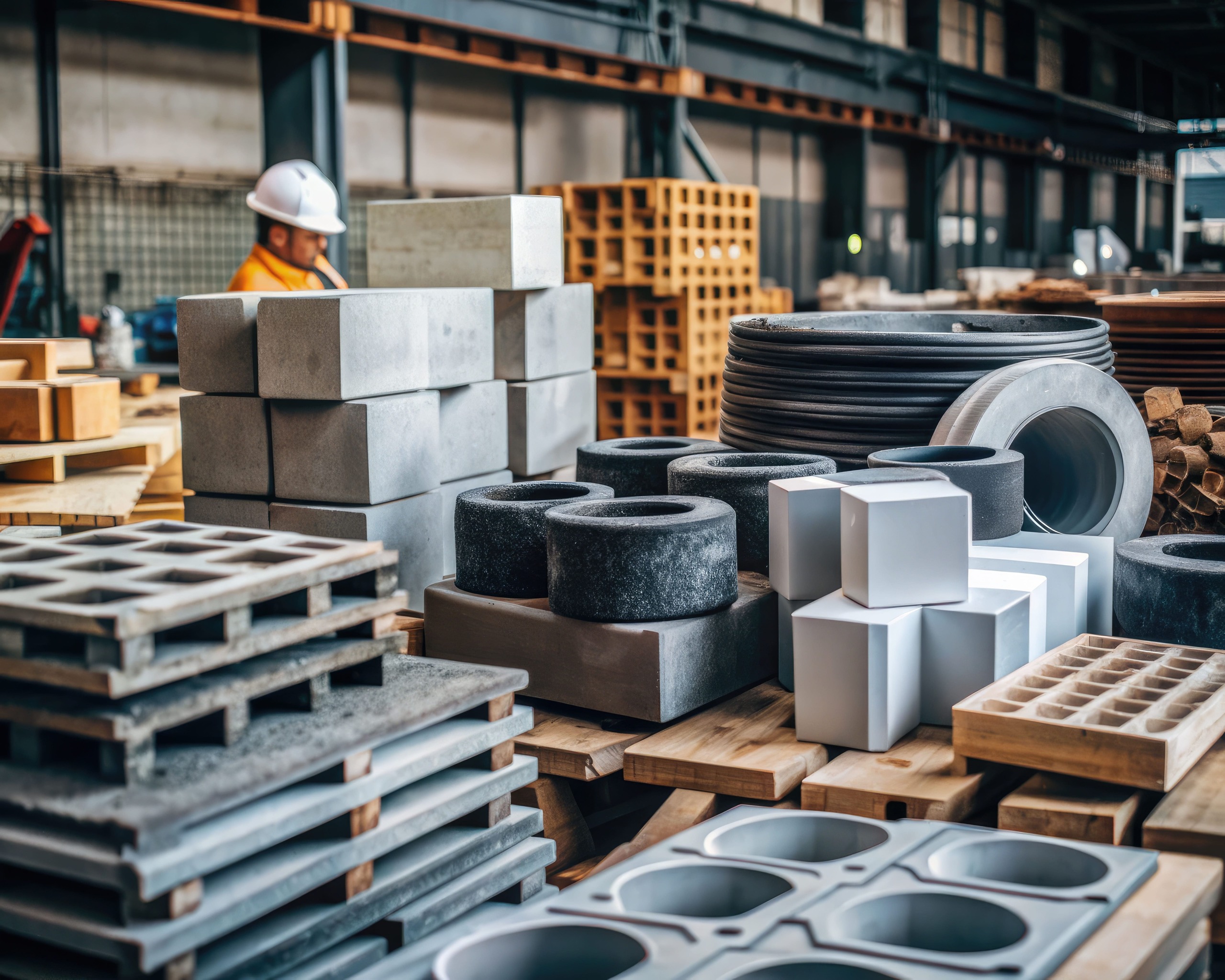
Industrial products can be divided into several categories based on how businesses use them. Knowing these categories can make procurement planning more organized and help businesses identify what they need.
1. Raw Materials
Raw materials are basic materials used to manufacture products or construct structures. Examples include steel, stainless steel, aluminum, copper, lumber, plastics, rubber, and chemicals.
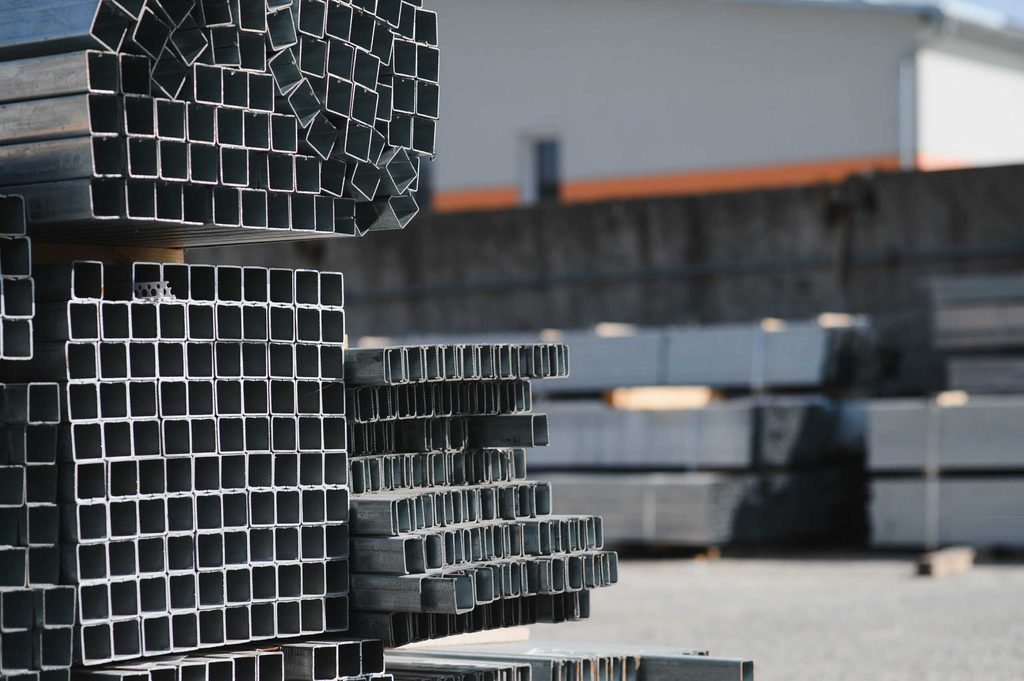
Steel is particularly important in construction and manufacturing because it can be fabricated into different shapes and forms for specific applications. Stainless steel pipes, plates, bars, and tubes are used in various building, infrastructure, fabrication, and industrial applications.
Businesses should identify the required material grade, dimensions, thickness, strength, and other relevant specifications. Selecting the correct material at the procurement stage can help prevent compatibility issues and unnecessary replacements later.
2. Machinery and Equipment
Machinery and equipment help businesses manufacture, process, transport, store, or handle materials. Examples include forklifts, conveyors, pumps, generators, production machinery, and fabrication equipment.
These purchases often require a larger investment than routine supplies. Buyers therefore need to consider capacity, operating environment, maintenance requirements, energy consumption, compatibility, and expected service life.
The equipment itself is only one part of the decision. Businesses should also consider whether replacement components, technical support, and maintenance resources will be readily available.
3. Components and Fabricated Parts
Components are products incorporated into larger systems, equipment, structures, or finished goods. This category includes fasteners, valves, fittings, bearings, brackets, caster wheels, and fabricated metal parts.
These may be smaller than major machinery or structural materials, but they can directly impact equipment performance.
For example, caster wheels are used on carts, racks, equipment, hospital beds, and material-handling systems. Caster selection should take into account factors such as load capacity, flooring, mobility requirements, and operating environment.
4. Supplies and Maintenance Products
Businesses also require products that support daily operations without necessarily becoming part of a finished product. These can include tools, lubricants, cleaning products, replacement parts, safety equipment, and other maintenance supplies.
Supplies are routinely purchased to support business operations and may include products such as machine oil and cleaning materials.
For businesses managing large facilities or multiple projects, keeping track of regularly used supplies can help prevent unexpected shortages and procurement delays.
5. Facility and Infrastructure Products
Industrial facilities, warehouses, commercial buildings, and construction projects require products that support their physical infrastructure.
These may include steel products, pipes, storage systems, fittings, fasteners, wheels, and other components used to construct, equip, or maintain a facility.
The use of storage racks, vertical storage, and pallet racking can also help businesses make better use of available warehouse space.
Examples of Industrial Products
The following examples of industrial products show how materials and components can serve different applications.
1. Stainless Steel Pipes
Stainless steel pipes are among the most versatile examples of industrial products, with applications across construction, manufacturing, infrastructure, water systems, food processing, and other industries.
For contractors and procurement teams, choosing the right stainless steel pipe involves more than simply selecting the correct size. Factors such as grade, wall thickness, diameter, intended application, installation environment, and performance requirements should all be evaluated before making a decision.
Their corrosion resistance and durability make them well suited for environments exposed to moisture, chemicals, temperature fluctuations, and other demanding operating conditions.
Businesses looking for industrial products for sale should also work with suppliers that can provide reliable product information and consistent specifications.
2. Steel Plates and Bars
Steel plates and bars are widely used in construction, fabrication, manufacturing, and infrastructure projects.
Depending on their specifications, they can be used for structural applications, equipment fabrication, supports, frames, machinery, and other projects requiring strong and durable materials.
For B2B buyers, the appropriate product should be selected according to the project’s design requirements, dimensions, material grade, load requirements, and applicable standards.
3. Caster Wheels
Caster wheels are another practical example of industrial products. They allow equipment, carts, racks, and other heavy objects to move more efficiently.
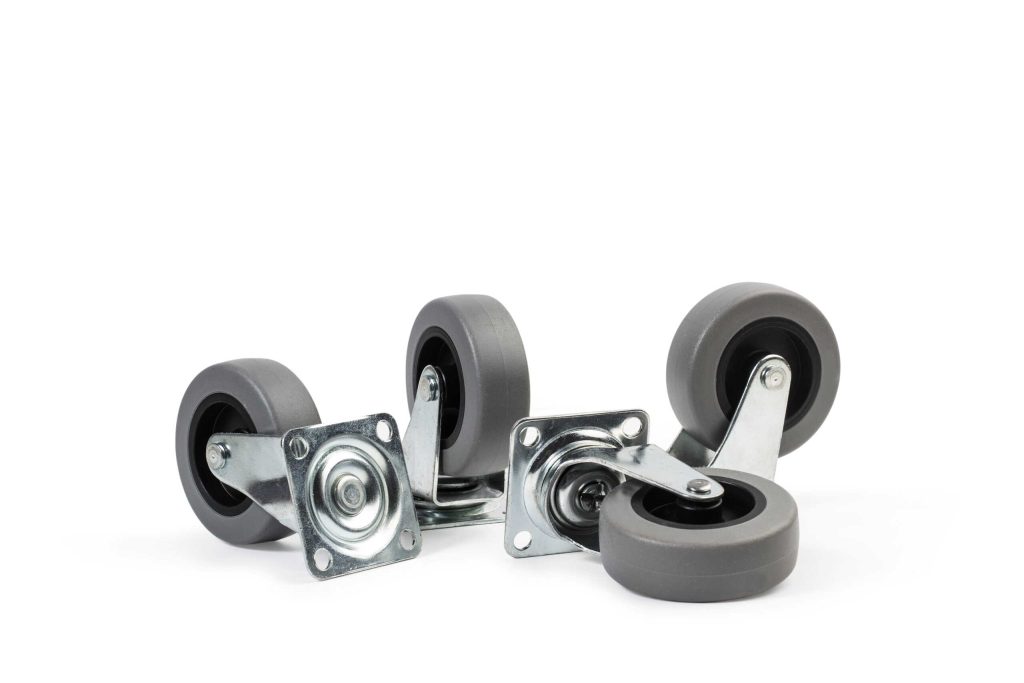
Different caster types are designed for different requirements. Rigid casters provide controlled movement in a fixed direction, while swivel casters can rotate to provide greater maneuverability. Wheel materials such as rubber, polyurethane, nylon, and metal also influence performance.
For businesses, choosing the right caster requires considering load capacity, floor conditions, frequency of use, maneuverability, and the environment where the wheel will operate.
4. Industrial Fittings and Fasteners
Fittings and fasteners may be relatively small components, but they are essential in many construction, fabrication, manufacturing, and maintenance applications.
Bolts, nuts, brackets, pipe fittings, valves, and other connection components help secure and connect larger systems.
For hardware stores serving contractors and industrial customers, these can be important inventory items. Maintaining a practical list of industrial products can help store owners monitor frequently requested items and maintain appropriate stock levels.
5. Material Handling Products
Warehouses, factories, and distribution facilities depend on products that make it easier to store and move materials.
Caster wheels, carts, racks, shelving systems, and other material-handling products can help businesses organize inventory and move products within a facility.
Resource planning involves ensuring that raw materials, parts, equipment, and other resources are available when required. Effective inventory and supplier management are therefore important parts of business operations.
Importance of Industrial Products Across Industries
Understanding what industrial products are and how they are applied is important because these materials, components, and equipment directly support business operations.
Construction
Construction companies depend on reliable materials throughout the project lifecycle. Steel pipes, plates, bars, fittings, fasteners, caster wheels, and other components may be required for construction, fabrication, material handling, and facility development.
Material selection can affect durability, maintenance requirements, installation, and overall project performance. This is why contractors and procurement teams should consider product specifications alongside cost.
Stainless steel, for example, has applications in bridges, tunnels, water infrastructure, energy facilities, and other infrastructure projects. Corrosion resistance and long service life are important considerations for infrastructure applications.
Furniture Manufacturing
Furniture manufacturers use industrial products throughout the fabrication and assembly processes.
Steel tubes, metal components, fasteners, brackets, and caster wheels can be used in finished furniture or support the manufacturing process.
Caster wheels, for example, can provide mobility for furniture and equipment. The appropriate wheel depends on the furniture’s weight, flooring, frequency of movement, and required maneuverability.
Real Estate and Property Development
Real estate developers and property managers require industrial products during construction, renovation, maintenance, and facility operations.
Steel products, pipes, fittings, fasteners, storage systems, and other components may be required at different stages of a property project.
Material selection is particularly important for components expected to remain in service for many years. Durable materials can help support long-term building performance and reduce unnecessary maintenance or replacement.
Medical and Healthcare Facilities
Medical facilities have specific requirements for durability, cleanliness, and ease of maintenance.
Stainless steel is widely used in healthcare and hygiene-critical environments. Its ease of cleaning and sterilization makes it suitable for medical equipment and other applications where hygiene is important.
Caster wheels are also used in medical environments, including hospital beds, carts, and diagnostic equipment. Their load capacity, maneuverability, wheel material, and braking features should be evaluated according to the equipment’s intended use.
How to Choose the Right Industrial Products
Having an industrial products list is a good starting point, but selecting the right product requires a closer look at the application’s requirements.
- Identify the Application: First, determine how and where the product will be used. Consider factors such as load, temperature, moisture, chemical exposure, frequency of use, and operating environment.
- Review the Specifications: Check the product’s dimensions, material grade, thickness, load capacity, pressure rating, compatibility, and other technical requirements. For example, selecting a stainless steel pipe for an industrial application requires more than choosing a diameter. The material grade and wall thickness may also affect its suitability.
- Consider Total Cost: The lowest purchase price does not always represent the lowest overall cost. Product lifespan, maintenance requirements, replacement frequency, installation, and downtime can all affect the total cost of ownership.
- Work With a Dependable Supplier: When choosing an industrial products distributor, look for a supplier that understands B2B requirements and can provide products suited to your specific applications. A dependable supplier can also make repeat purchasing and project planning easier.
Choose the Right Industrial Products for Your Business
Knowing what industrial products are helps businesses make more informed decisions about the materials, components, equipment, and supplies they purchase.
From stainless steel pipes to caster wheels, industrial products support businesses across construction, hardware, furniture manufacturing, real estate, and healthcare.
The right product should meet the requirements of its application and provide dependable performance. Just as important, businesses need a supplier that understands the importance of quality, availability, and consistent specifications.
Global Nexus provides stainless steel pipes and other industrial products for businesses and projects in the Philippines.
With products suited to a range of commercial and industrial applications, Global Nexus can help contractors, manufacturers, hardware businesses, developers, and other B2B customers meet their sourcing requirements.
Contact us today to inquire about stainless steel pipes and other reliable industrial products for your business.
Frequently Asked Questions About Industrial Products
1. What are industrial products?
Industrial products are materials, equipment, components, and supplies purchased by businesses for construction, manufacturing, maintenance, and other operational needs.
2. What are examples of industrial products?
Examples of industrial products include stainless steel pipes, steel plates and bars, caster wheels, industrial fittings, fasteners, and material handling products.
3. How do I choose the right industrial products for my business?
Start by identifying the product’s intended application, then review its specifications, load requirements, material, durability, and compatibility with your operating environment.