How to Find a Trusted Industrial Products Company in the Philippines
The businesses that scale fastest are those with the most dependable suppliers.
Key Takeaways:
- Choosing the right industrial products distributor isn’t just about price—it also comes down to product quality, reliable delivery, and meeting regulatory requirements.
- A dependable supplier reduces operational risk, prevents costly project delays, and gives your business the flexibility to take on larger contracts.
- Working with a locally based distributor in the Philippines gives you faster logistics, easier accountability, and more relevant product expertise.
The right supplier does more than just deliver materials. It keeps your projects on schedule, helps you manage costs, and gives you the confidence to take on bigger opportunities.
For businesses in construction, hardware, and furniture manufacturing, a dependable supply chain is one of the most powerful advantages you can build.
Finding an industrial products company in the Philippines that checks every box is a decision worth taking seriously. The best distributors know your industry and deliver consistently so you can stay focused on growing your business.
Here are eight factors to look at when choosing an industrial products distributor, plus the key advantages of getting this partnership right.
8 Factors to Consider When Choosing an Industrial Products Distributor
Not every distributor will meet your business’s demands. Here is what to look for before committing to an industrial products partner.
1. Product Range and Availability
A good distributor should carry a broad and consistent inventory of the products you need. Before committing to a supplier, check whether they stock the specific materials your business requires, and how reliably those items are available.
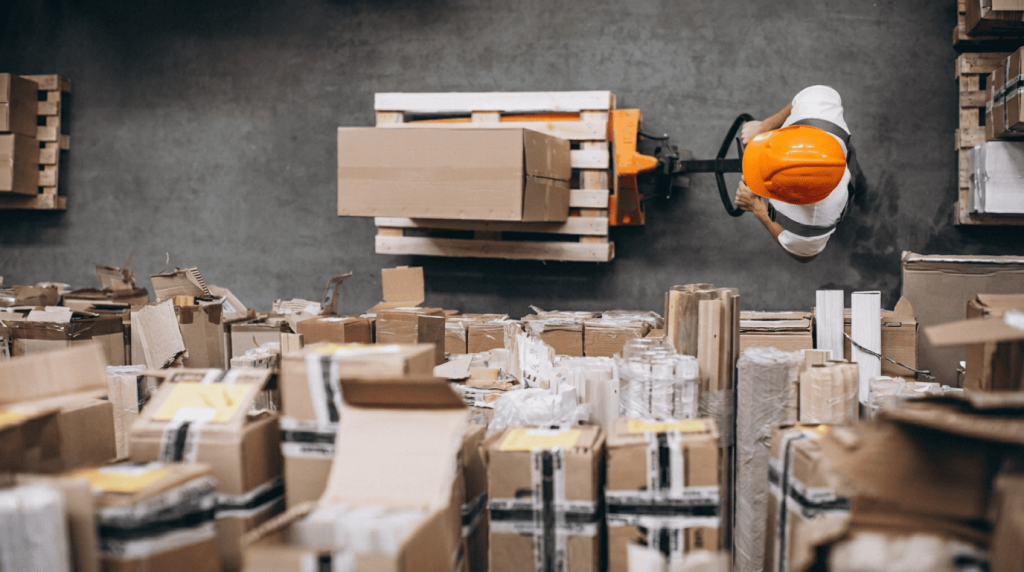
Frequent stockouts are a red flag. The best industrial products distributors maintain adequate inventory levels so you can easily place orders, especially during peak project seasons.
2. Product Quality and Certifications
Quality is non-negotiable, especially in industries like construction and healthcare. When choosing a supplier of industrial products, ask about product certifications, quality control processes, and material standards.
Reputable distributors work with manufacturers that comply with national and international quality benchmarks. Cutting corners on material quality can lead to structural failures, safety violations, or equipment breakdowns that far exceed any short-term savings.
3. Industry Experience and Reputation
Experience matters when choosing an industrial supplier. A distributor who understands your industry can give more relevant and practical advice.
Look for client reviews, case studies, or referrals from similar businesses. A strong track record usually signals that a supplier is one you can trust.
4. Pricing and Payment Terms
Competitive pricing is important, but the cheapest option is not always the best value.
When comparing distributors, look at the full cost—not just unit price, but also freight, minimum order quantities, and payment terms. Some suppliers offer credit or bulk discounts that can ease cash flow.
Clear, upfront pricing with no hidden fees is usually a sign you’re dealing with a reliable partner.
5. Delivery Reliability and Lead Times
In fast-moving industries, delivery delays can quickly turn into project setbacks and extra costs. A reliable distributor should have clear lead times, a solid fulfillment process, and a logistics system that can deliver on schedule.
Ask about their coverage areas, average turnaround times, and how they handle urgent or bulk orders. On-time delivery is one of the most important things to look for in a supplier.
6. Technical Support and After-Sales Service
A distributor that invests in customer support brings value beyond the sale, especially for technical products.
Look for one that can clearly provide product specs, installation support, and quick after-sales assistance. When issues arise, you need a supplier who will help you resolve them quickly, not one that becomes difficult to reach after payment is made.
7. Compliance With Local Regulations
The Philippines has specific regulatory requirements for construction materials, industrial equipment, and medical supplies.
Your distributor should be fully compliant with local laws and industry standards, including Bureau of Customs clearances, Bureau of Philippine Standards (BPS) certifications, and any sector-specific requirements.
Working with a non-compliant supplier exposes your business to legal and operational risks.
8. Communication and Relationship Management
Clear, consistent communication is the foundation of any good business relationship.
Pay attention to how a distributor responds even before you commit. Are they quick, clear, and informed? Do they actually take time to understand what you need?
Choosing an industrial products distributor that values long-term partnerships over one-time transactions will benefit your business in the long run.
Distributors who treat clients as partners, not just buyers, tend to offer better service, more flexibility, and greater accountability.
Advantages of Having a Reliable Industrial Products Supplier
Once you find the right partner, the benefits compound over time. Here is what a reliable industrial supplies distributor brings to your business:
- Cost savings through consistent pricing and bulk purchasing options.
- Operational continuity because your supply chain is stable and predictable.
- Access to quality-assured products that meet industry standards and reduce the risk of rework or equipment failure.
- Expert product recommendations that help you make smarter procurement decisions.
- Faster project timelines because materials arrive on time and in the right quantities.
- A competitive advantage is the ability to respond quickly to client demands without supply-related bottlenecks.
These advantages directly translate to stronger client relationships and better project outcomes. It is also worth noting that choosing an industrial products distributor with a local presence in the Philippines gives you added peace of mind.
Local distributors understand the market, can navigate logistics more efficiently, and are easier to hold accountable when something goes wrong.
They are also better positioned to support you with after-sales service and provide product expertise relevant to Philippine industry conditions.
Work With a Distributor You Can Count On
Finding an industrial products company in the Philippines that checks every box takes time and due diligence, but it is worth every bit of the effort.
The right partner will not just supply your materials; it will support your business goals, help you manage costs, and give you the confidence to take on bigger projects.
Global Nexus is a trusted distributor of industrial products serving businesses across the construction, real estate, hardware, furniture, and medical sectors in the Philippines.
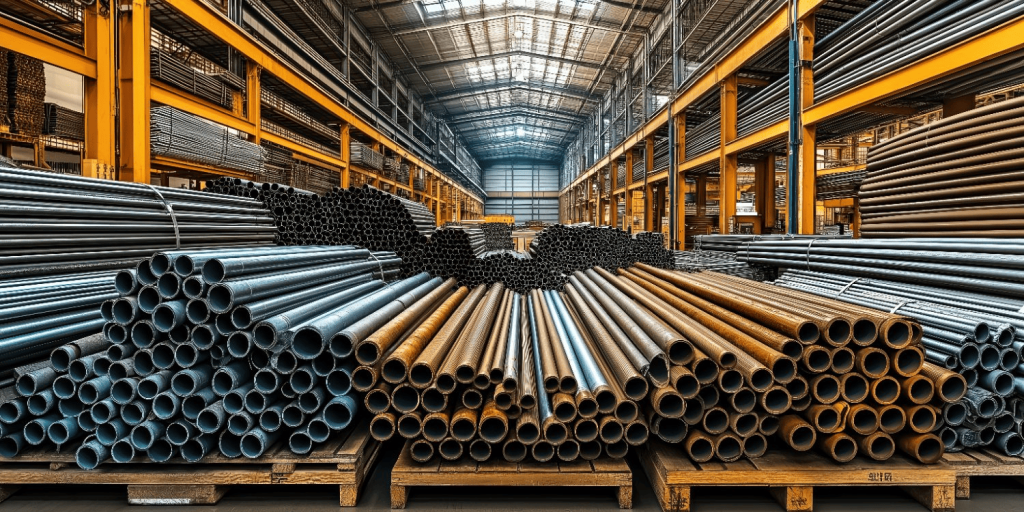
From stainless steel pipes and fittings to a wide range of industrial materials, Global Nexus provides quality products backed by dependable service and competitive pricing.
Ready to work with a supplier you can rely on? Browse the full product line at Global Nexus and get in touch with our team today.