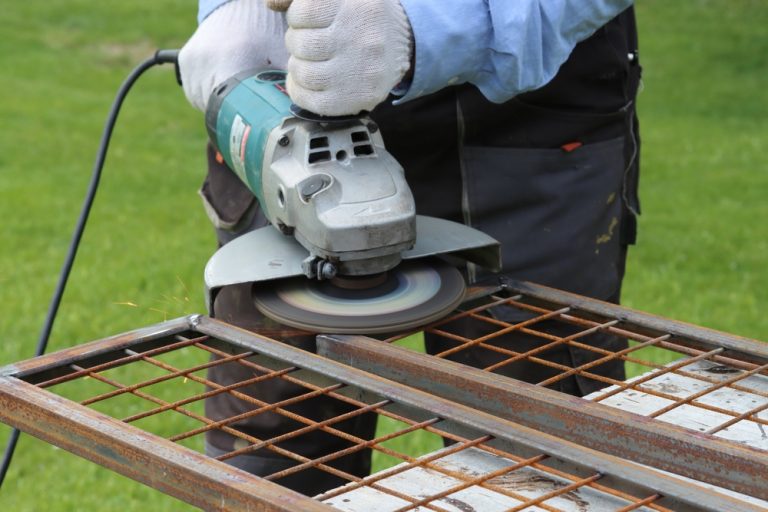
The Complete Guide to Using Flap Discs for Woodwork
Wood shaping becomes easier and more efficient when you use the right flap disc.
Key Takeaways:
- Flap discs are versatile abrasives that shape, smooth, and refine wood surfaces more efficiently than traditional sanding discs.
- Choosing the right grit, disc shape, and abrasive material is essential for achieving the finish and precision your project requires.
- Proper technique, including consistent pressure, correct angles, and gradual grit progression, ensures cleaner results and longer tool life.
The right abrasive tool can improve the quality of every project with less effort. A flap disc for wood is a versatile workshop essential, delivering reliable performance for furniture production, construction carpentry, and hardware supply.
Although flap discs are often associated with metalwork, they are equally effective on wood. With the right technique, a flap disc can shape, smooth, refine, and prepare surfaces with accuracy and consistency.
In this guide, you’ll learn the benefits of flap discs, how to select the right one for your project, and the best practices for using them effectively on wooden materials.
5 Factors to Consider in Choosing the Right Flap Discs
To get the best results from a flap disc on wood, choose a disc suited to your material and desired finish. Below are key considerations to help you choose the right flap disc.
1. Grit Size
Grit level determines how coarse or fine the cut will be.
- 40 to 60 grit: Best for aggressive stock removal and shaping. Ideal if you need to level uneven joints or strip thick coatings
- 80 grit: Good for general smoothing and preparing wood for finishing
- 120 grit and above: Suitable for refined finishing and polishing, often used before staining or varnishing
Furniture makers may prefer a progression of grits, while contractors may keep a few versatile options for on-site work.
2. Abrasive Material
Flap discs come in different abrasive types. The most common options include:
- Aluminum oxide: A budget-friendly and versatile option for most woodworking tasks
- Zirconia alumina: More robust and longer lasting, ideal for heavy-duty shaping
- Ceramic alumina: Offers the longest life and highest durability. Best for high-pressure tasks or industrial use
If you want high-quality options in the Philippines, explore Global Nexus’s abrasive flap disc selection.
3. Disc Shape
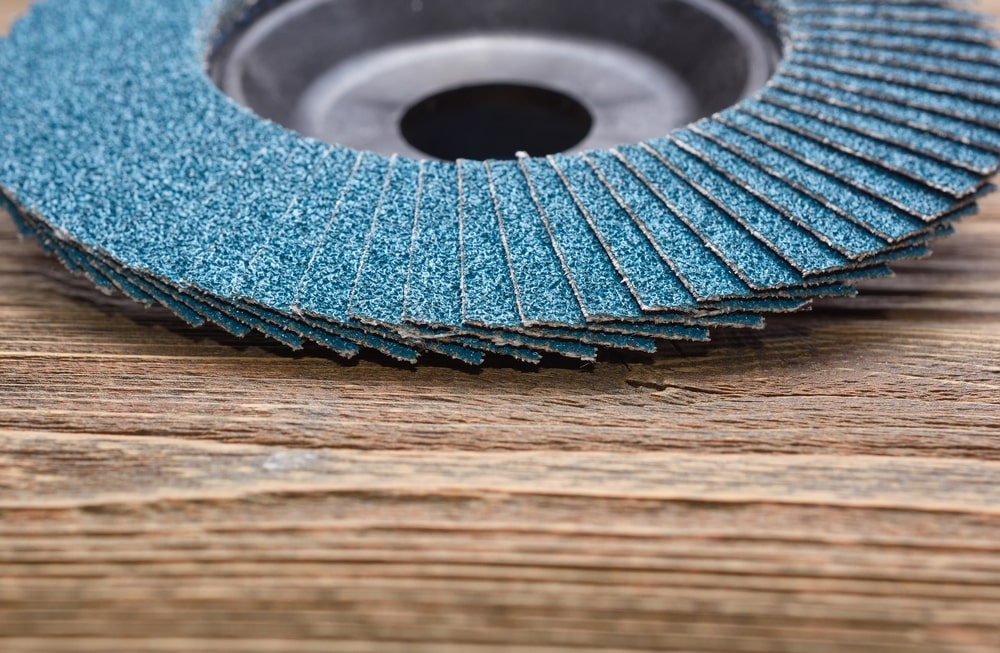
There are two common flap disc shapes:
- Flat (Type 27): Offers a wider contact area and is best for smoothing surfaces
- Conical (Type 29): Provides angled flaps, making it easier to remove material quickly and work on contoured surfaces
Flat discs are ideal for furniture panels, tabletops, and doors. Conical discs are useful for edges, curves, and sculptural pieces.
4. Backing Material
Flap discs use either fiberglass, plastic, or metal backings. For woodwork:
- Fiberglass backing is preferred because it is lightweight and absorbs vibration.
- Plastic backing offers durability and can be trimmed for additional lifespan.
- Metal backing is less common for wood but may be used for heavy-duty industrial applications.
5. Compatibility With Your Angle Grinder
Always check the disc diameter and arbor size to match your grinder. Using the wrong size can result in safety issues or inefficient performance. For hardware store owners, this is also important when giving recommendations to customers choosing tools on a budget.
How to Use a Flap Disc for Wood: A Step-by-Step Guide
Using a flap disc on wood is straightforward, but proper technique ensures both safety and high-quality results. Below is a step-by-step guide to using flap discs:
Step 1: Prepare Your Workspace
Clear your workspace of debris, loose tools, and combustible materials. Wood grinding can produce sparks when metal fasteners are hit, so it is good practice to keep the area clean. Use dust collection tools if you are in a medical-grade or high-sensitivity environment.
Step 2: Inspect Your Tools and Materials
Before attaching the flap disc, inspect your angle grinder. Make sure the guard is securely in place and that the spindle lock works properly. Check the flap disc for cracks or damage. Only use discs that are in perfect condition.
Step 3: Attach the Wood Flap Disc
Mount the flap disc firmly onto your grinder. Ensure the disc’s rated speed matches or exceeds your grinder’s RPM. Tighten the lock nut to prevent wobbling during operation.
Step 4: Start With the Right Grit
If you are shaping or stripping material, start with a coarse-grit wood flap disc. For general smoothing, start with medium grit. Fine grit should be the final step for a polished finish. Using multiple grits one after another helps achieve professional-level results.
Step 5: Apply Light and Consistent Pressure
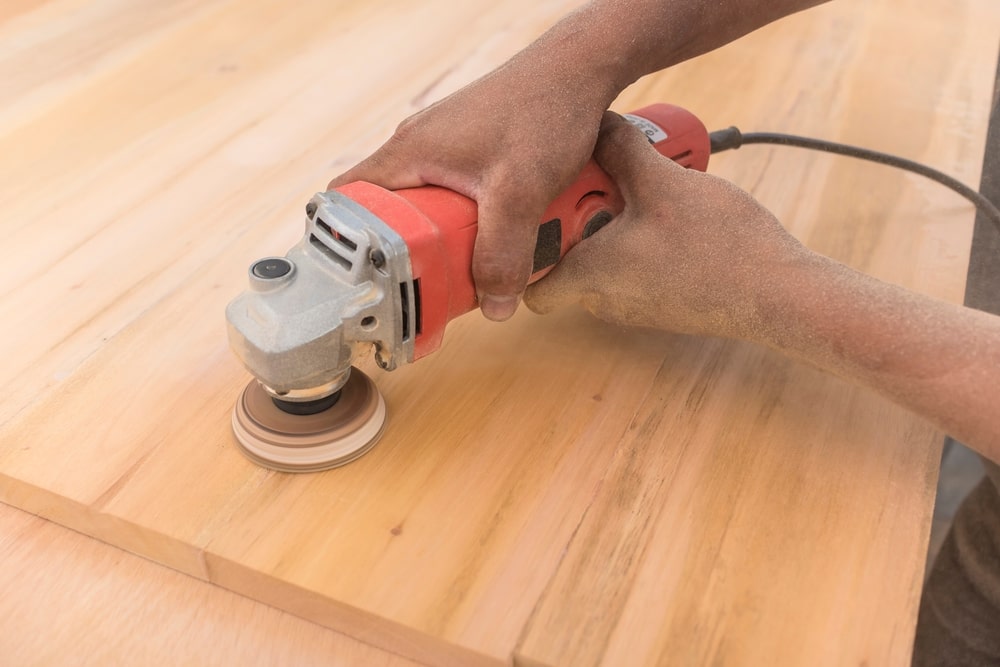
Hold the grinder with both hands and begin with a gentle touch. Let the flap disc do the work. Too much pressure can cause gouges or burn marks. Move the tool in smooth, overlapping passes. This ensures the abrasive flaps cut evenly, preventing uneven surface texture.
Step 6: Keep the Angle Consistent
Maintain a slight angle between the disc and the wood surface. Flat discs work best at a shallow angle, while conical discs benefit from a slightly steeper angle. Avoid digging the disc’s edge into the wood.
Step 7: Work With the Grain
To achieve the best finish, move the grinder along the grain of the wood. Working against the grain may create swirl marks or rough patches that require additional sanding.
Step 8: Switch Grits as Needed
After shaping or initial leveling, switch to a finer grit to smooth the surface. Continue refining until the wood feels even and ready for staining or finishing.
Step 9: Inspect and Clean the Surface
Once grinding is complete, wipe the surface with a soft cloth to remove debris. Inspect the wood for remaining rough spots and go over them again if needed.
Step 10: Practice Safe Tool Storage
After use, allow your flap disc to cool down. Remove it from your grinder and store it in a dry, dust-free container. Proper storage prolongs its lifespan and keeps your tools ready for the next project.
Benefits of Using a Flap Disc on Wood
Flap discs allow you to maintain consistent pressure and achieve a smoother finish compared to traditional sanding discs. Here are the advantages that make a wood-flap disc an essential tool across multiple industries.
Smooth and Controlled Material Removal
Flap discs remove material quickly without gouging the wood. This is especially useful for furniture makers shaping hardwood, hardware store owners demonstrating tools to customers, or contractors preparing panels for construction projects. The even wear of the flaps allows continuous cutting action, resulting in better surface control.
Versatility Across Wood Types
Whether you are working with hardwood, reclaimed lumber, or plywood, a wood flap disc can handle a wide range of densities. It can strip old finishes, level uneven sections, or smooth rough surfaces. The same tool can handle shaping and finishing tasks, which reduces the need for multiple sanding accessories.
Better Surface Finish
Compared to grinding wheels, flap discs produce less friction and heat. This reduces burn marks on wood and keeps the surface clean enough for staining, varnishing, or further polishing. Whether your project is for construction, renovation, or commercial furniture production, minimizing surface defects helps maintain quality.
Longer Lifespan
Since the abrasive flaps wear down evenly, each layer exposes fresh material when the previous layer degrades. This results in longer tool life compared to traditional sanding discs. For hardware stores serving regular customers and contractors finishing multiple projects, this translates to more cost-efficient work cycles.
Cleaner Operation
Flap discs tend to generate less dust scatter because their design encourages controlled abrasion. This provides a cleaner workspace, especially in enclosed shops or medical industry applications where dust control is essential.
Upgrade Your Wood Finishing Tools with Global Nexus
A flap disc for wood is one of the most versatile tools for shaping, smoothing, and finishing surfaces with precision. By choosing the right grit and using proper techniques, you can achieve professional-quality results while reducing rework and improving efficiency.
When you’re ready to upgrade your woodworking setup or source durable abrasive supplies, explore our wide selection of flap discs and other top-grade materials. You can find everything you need to support efficient work, from abrasives to construction essentials, all in one place. Visit Global Nexus today.
Frequently Asked Questions (FAQs) About Flap Discs for Woodwork
1. Can flap discs damage wood if used incorrectly?
Yes. Applying too much pressure, using an overly coarse grit, or grinding at a steep angle can cause gouges and burn marks. Using light pressure and switching between grits helps prevent surface damage.
2. What grit flap disc should I use for finishing wood?
For finishing, 120 grit or higher is ideal. Fine grits help smooth the surface and prepare it for staining or varnishing without leaving visible sanding lines.
3. Are flap discs safe to use on softwoods and hardwoods?
Absolutely. Flap discs work on all wood types, such as softwoods, hardwoods, and plywood. Adjust your grit choice and pressure depending on material density.
4. How long does a flap disc typically last when used on wood?
Lifespan depends on usage intensity and abrasive material. Ceramic and zirconia discs last longest, especially for heavy-duty shaping, while aluminum oxide discs are best for general and light applications.