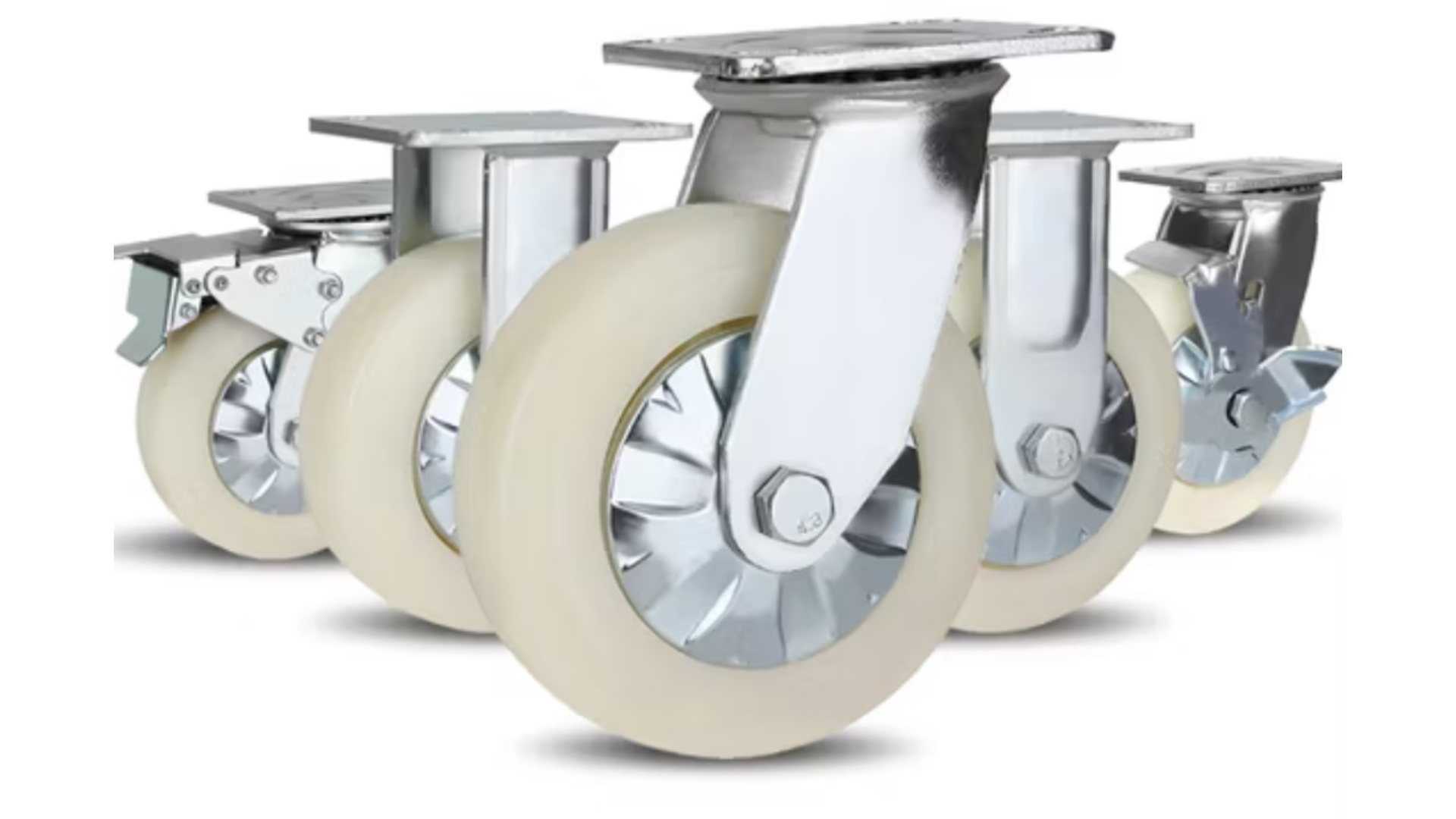
Key Features, Uses, and Benefits of Polypropylene Caster Wheels
From carts to storage racks, polypropylene casters support smooth movement across a variety of indoor workspaces.
Key Takeaways
- Polypropylene casters are lightweight, rust-free wheels built for light- to medium-duty loads on smooth indoor floors.
- Their moisture resistance, hard tread, and low cost make them a practical fit for businesses.
- Choosing the right caster comes down to load capacity, floor type, wheel diameter, and a supplier who provides clear product specifications.
Think about how often equipment needs to move around a workplace. Whether it’s a cart or rack, the wheels underneath can make a big difference in how easily it rolls. So, what is a polypropylene caster, and why do so many businesses rely on it?
Polypropylene casters are a go-to choice for industries that need wheels that are light, tough, and budget-friendly. They roll smoothly on indoor floors, withstand moisture and cleaning chemicals, and provide reliable mobility with minimal maintenance.
In this guide, we’ll look at how polypropylene casters work, their key features, and where they are commonly used. You’ll also learn what to consider when choosing the right size and model for your carts, trolleys, racks, or other equipment.
What is a Polypropylene Caster?
A polypropylene caster is a wheel unit made from polypropylene, a tough thermoplastic used widely in packaging, automotive parts, and industrial equipment. The wheel is injection-molded into a solid, hard tread, then mounted on a bracket (usually steel) that attaches to the base of a cart, rack, or piece of furniture.
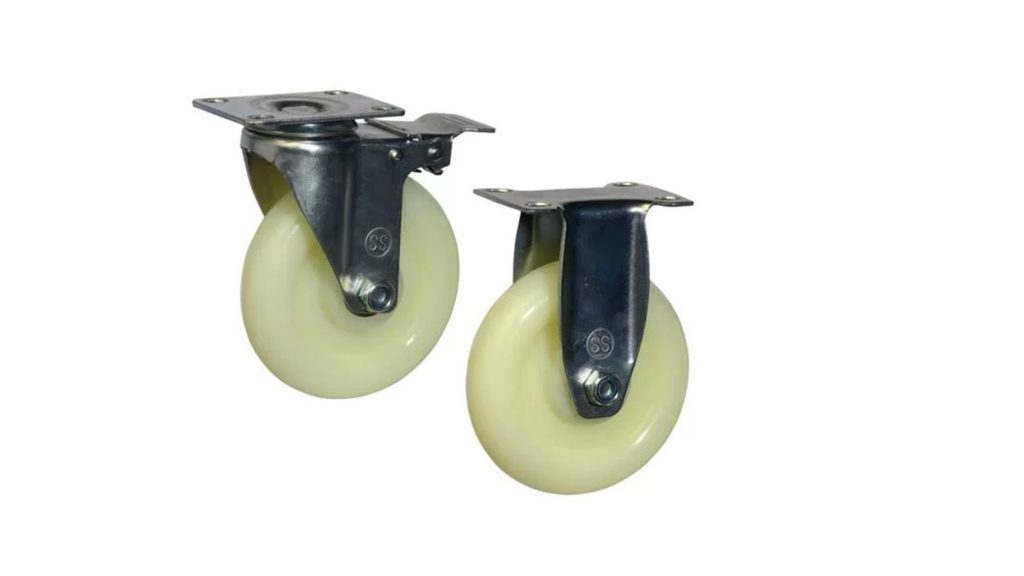
Polypropylene wheels in the Philippines sit in the light- to medium-duty range of caster materials. They serve businesses that move moderate loads across smooth indoor floors, which covers a large share of retail and healthcare industries.
5 Polypropylene Caster Wheels Features to Know
Understanding the core features of polypropylene caster wheels helps you match each wheel to the job. Here are the qualities buyers ask about most.
1. Lightweight Build
Polypropylene is a lightweight plastic commonly used for industrial wheels. Because it weighs less than many other wheel materials, it can reduce the overall weight of carts and trolleys, making them easier to move.
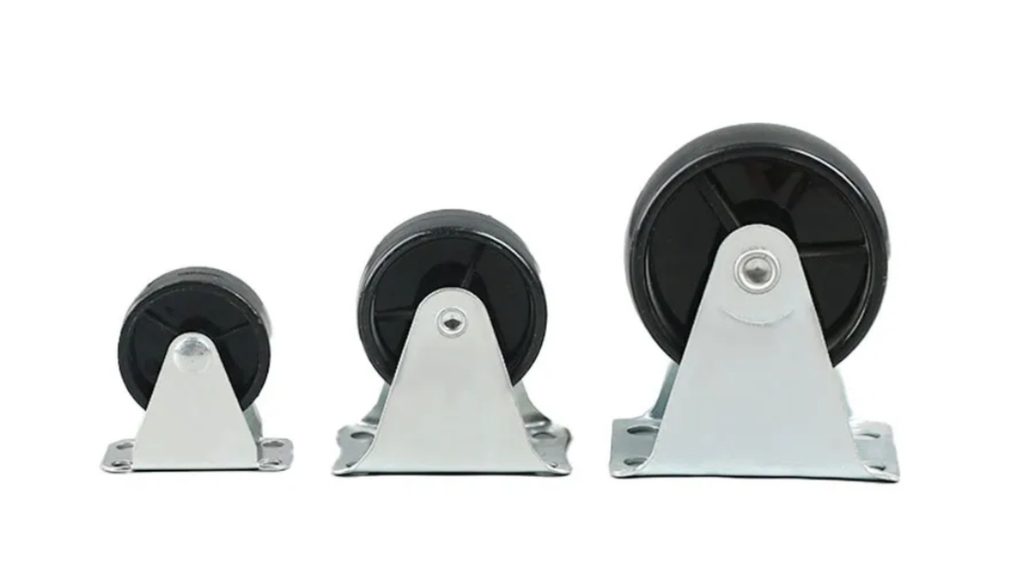
2. Moisture and Chemical Resistance
Polypropylene resists water, oils, many cleaning agents, and mild acids. Since it does not rust, it works well in humid areas like the Philippines and in workplaces where equipment is regularly cleaned or washed down.
3. Hard, Rigid Tread
The firm tread holds its shape under load and rolls easily across smooth surfaces like concrete, tile, and vinyl. This makes carts easier to get moving and helps them roll steadily across longer aisles. Nylon wheels offer similar performance on smooth floors.
Exploring the difference between polypropylene vs. nylon shows how the two compare on load capacity and heat tolerance.
4. Clean, Floor-Friendly Finish
Many polypropylene wheels are non-marking, helping prevent marks on showroom tiles, clinic floors, and office floors. Check the product specifications to confirm this feature for your chosen model.
5. Cost-Effective Material
Polypropylene costs less to produce than many engineered plastics and rubber compounds. This practicality makes it an economical choice when you need to outfit dozens of carts or racks at once, and replacement wheels stay affordable when it is time to replace your equipment.
Polypropylene Caster Uses Across Different Industries
These polypropylene caster characteristics offer practical benefits across many industries.
Construction and Hardware Stores
Hardware stores move boxes of fasteners, paint, and fittings from stockroom to shelf throughout the day. Polypropylene casters on platform trolleys and display racks help staff restock quickly, and the wheels handle the occasional paint or solvent spill well. On construction projects, they suit site office furniture, tool storage, and material carts used on finished slabs.
Furniture Manufacturing
Furniture makers often use polypropylene casters for office chairs, storage cabinets, and mobile workstations. They’re affordable and make furniture easier to move around the office. For manufacturers, using dependable casters across large orders can also help maintain consistency and reduce returns.
Real Estate and Property Management
Carts are used for housekeeping, maintenance, and moving supplies in condominiums and commercial buildings. Polypropylene casters work well in these settings because they can handle moisture and common cleaning chemicals. They also don’t rust, which helps keep the carts in good working condition with regular use.
Medical and Healthcare Facilities
Clinics and hospitals clean their equipment often. With rust resistance and regular disinfection, polypropylene casters suit linen carts, supply trolleys, and utility carts in corridors and storage rooms. For patient-facing equipment that benefits from a softer, quieter ride, compare polypropylene vs polyurethane wheels.
Best Practices for Polypropylene Caster Maintenance
Polypropylene casters need very little maintenance, and a few quick habits can extend their service life
- Clean the wheels regularly. Wipe off dust, threads, and debris that can wrap around the axle and slow rotation.
- Lubricate the bearings and swivel. A light application of grease every few months keeps steering smooth and reduces wear.
- Tighten mounting bolts. Daily movement can loosen hardware over time, so include caster checks in your routine inspections.
- Respect the load rating. Keeping loads within the rated capacity protects the tread and bracket from stress.
- Replace worn wheels promptly. Swapping a single flattened or chipped wheel restores balance to the whole cart.
Building these steps into your monthly maintenance schedule protects your investment and helps the polypropylene caster wheels’ features described above deliver steady value.
Sourcing from a reliable partner also makes replacements quick and consistent, and our guide on choosing a polypropylene wheel supplier in the Philippines covers what to look for.
What to Consider When Choosing Polypropylene Casters
Start with three questions. How much weight will each caster carry? What floor surface will it roll on? How often will the equipment move?
For load capacity, a common practice is to divide the total weight of the cart and its contents by one less than the number of casters. On a four-caster trolley, you divide by three. This builds in a safety margin for moments when one wheel lifts on uneven ground.
Wheel diameter matters too, since larger wheels roll over small cracks and thresholds more easily while smaller wheels keep equipment low and compact.
Floor type also guides your choice. Polypropylene performs best on smooth, level floors such as tile, vinyl, and sealed concrete. For heavier loads, higher operating temperatures, or delicate surfaces, the material comparisons linked above can help you settle on the right wheel.
Finally, ask your supplier for clear load ratings and product specifications before you order. Matching these details to your equipment keeps every cart rolling safely from day one.
Find the Right Polypropylene Casters for Your Business
From stockrooms to hospital corridors, polypropylene casters keep everyday equipment moving with ease. Their lightweight design, moisture resistance, and affordable price make them a practical choice for many industries.
Global Nexus supplies polypropylene casters along with a full range of steel and hardware solutions for Philippine businesses.
Explore our industrial products for sale, from caster wheels and trolleys to durable stainless steel pipes built for construction and fabrication projects. Contact our team today for a quote and get the right products delivered to your site.
Frequently Asked Questions
What are polypropylene casters used for?
Polypropylene casters are used on carts, trolleys, display racks, office furniture, and utility carts. They are a practical choice for hardware stores, furniture manufacturers, warehouses, and healthcare facilities moving light to medium loads across smooth indoor surfaces.
How much weight can a polypropylene caster carry?
Load capacity depends on wheel diameter, tread width, and bracket design, so always check each model’s rated capacity. To check your casters’ size, divide the total weight of the cart and its contents by the number of wheels minus one.
Can polypropylene casters be used outdoors?
Polypropylene casters are ideal for indoors on smooth, level surfaces. For outdoor areas or rough ground, a softer tread such as polyurethane or rubber gives a more comfortable ride, and your supplier can recommend the right option.
How long do polypropylene casters last?
Service life depends on the load, floor condition, and how often the equipment moves. Regular cleaning, light lubrication, and staying within the rated capacity help polypropylene casters last for years.