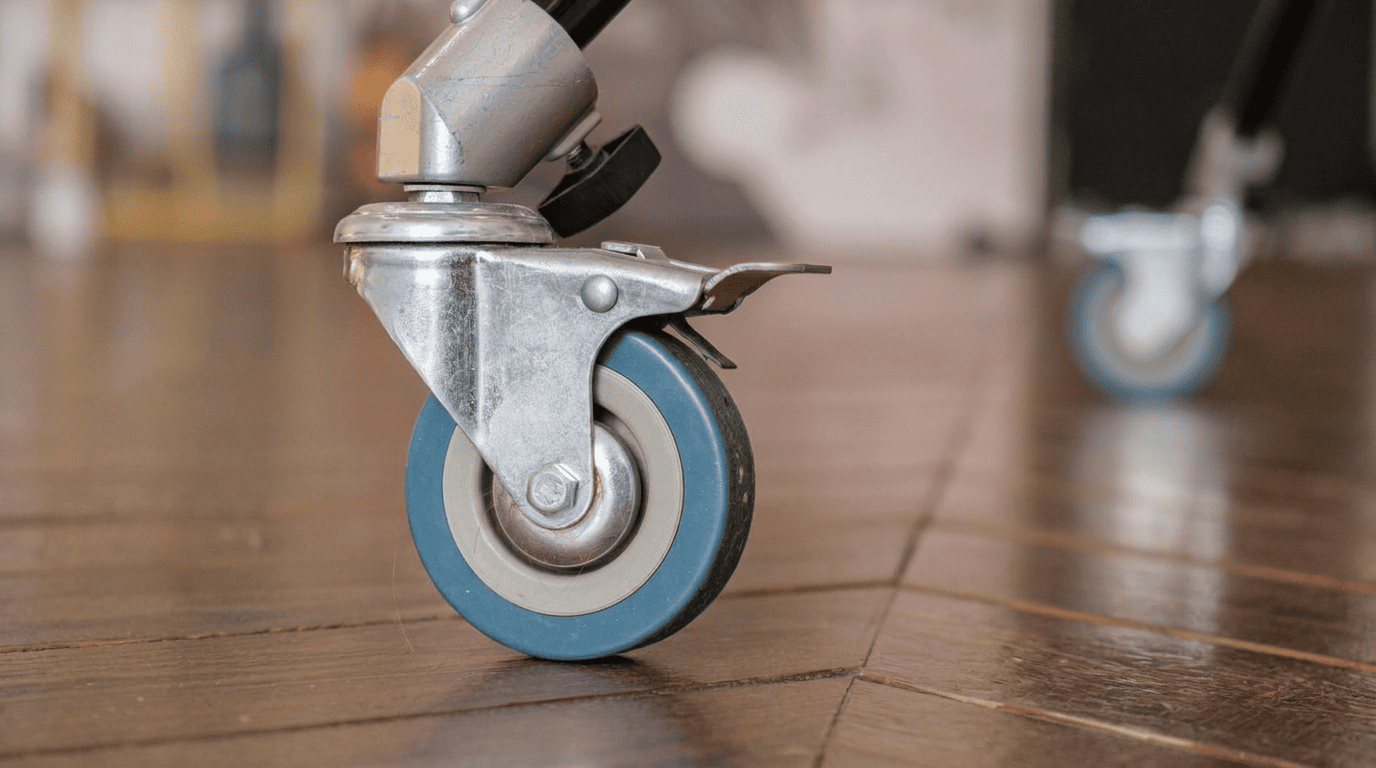
What’s the Difference Between Polyurethane and Polypropylene Casters?
When it comes to material handling, one of the most practical decisions you can make is choosing the right wheel for the job.
Whether you’re outfitting a hospital ward or a warehouse floor, the wheels on your carts, trolleys, and equipment matter.
The debate around polypropylene vs. polyurethane is one that construction and manufacturing professionals regularly face, and getting it wrong can lead to damaged floors, reduced mobility, or costly equipment failures.
Both materials are widely used for a reason. Each offers reliable performance when matched with the right application. In this guide, we’ll break down what each one offers, where they work best, and how to pick the right option for your operation.
What are Polypropylene Caster Wheels?
Polypropylene (PP) is a rigid thermoplastic polymer known for its strength, light weight, and resistance to chemicals and moisture. Polypropylene wheels in the Philippines are commonly found in industrial settings where durability and cost-efficiency are priorities.
Here’s a quick look at the pros and cons of polypropylene casters:
Pros:
- Highly resistant to water, acids, and solvents, making them ideal for wet or chemically active environments
- Lightweight and easy to maneuver, even under consistent use
- Cost-effective, making them a budget-friendly choice for large fleets of carts or trolleys
- Can withstand high temperatures of up to 82 degrees Celsius
- Resistant to mold, mildew, and biological growth
Cons:
- Hard and rigid, which means they can crack under impact or in very cold environments
- Can scratch or mark certain types of flooring, particularly polished or hardwood surfaces
- Generate more noise on hard floors compared to softer wheel materials
- Low shock absorption, which may affect the stability of fragile cargo
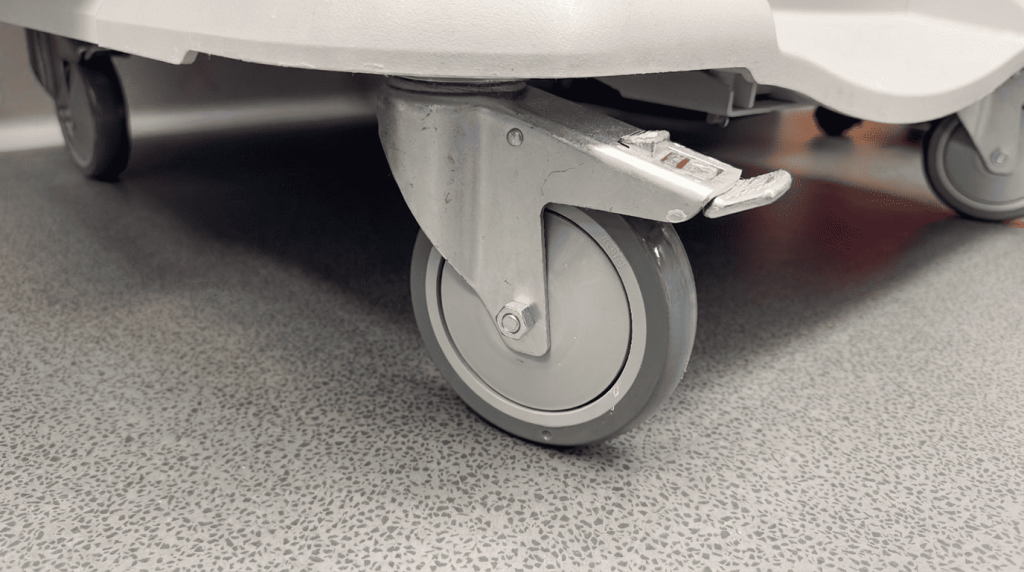
Best Applications for Polypropylene Wheels:
- Warehouses and logistics centers with concrete flooring
- Food processing facilities where chemical resistance is critical
- Outdoor cart systems exposed to rain or moisture
- Hardware stores and construction material suppliers that need affordable, durable trolley systems
What are Polyurethane Caster Wheels?
Polyurethane (PU) is a semi-flexible elastomer that combines the resilience of rubber with the toughness of plastic. Polyurethane caster wheels are designed to absorb impact, reduce noise, and protect sensitive flooring, which makes them a popular choice in environments that demand smooth, quiet movement.
Here’s a look at the pros and cons of polyurethane casters:
Pros:
- Excellent shock absorption, reducing vibration and protecting both cargo and floors
- Non-marking and floor-friendly, ideal for epoxy coatings, tiles, hardwood, and vinyl
- Quiet rolling performance, minimizing noise disruption in sensitive environments
- High load-bearing capacity, supporting heavier equipment without deforming
- Good abrasion resistance, which means longer service life under frequent use
Cons:
- More expensive than polypropylene alternatives
- Can degrade when exposed to prolonged contact with certain oils, solvents, and harsh chemicals
- May become less effective in very high heat environments
- Not ideal for consistently wet or submerged conditions
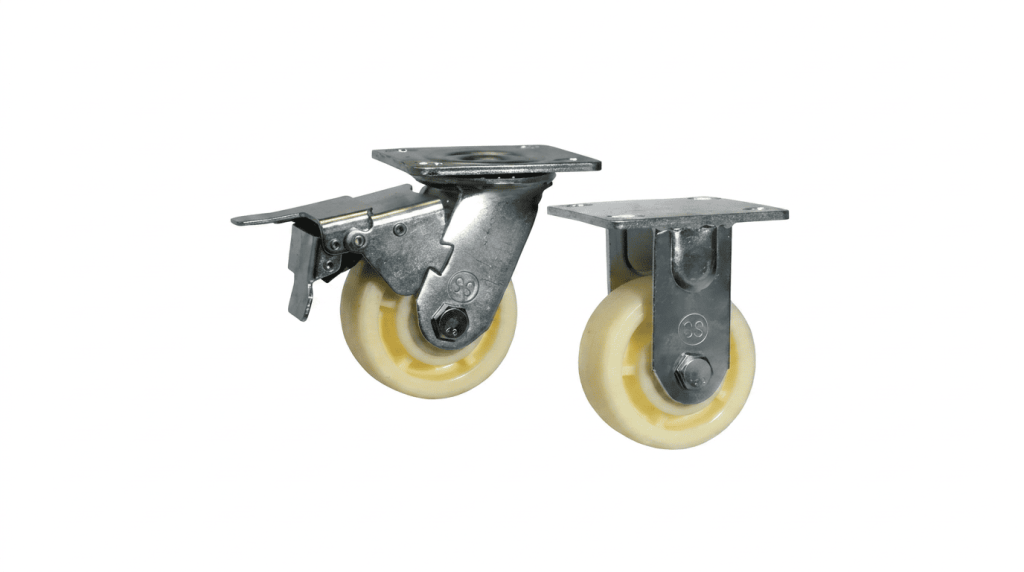
Best Applications for Polyurethane Wheels:
- Medical facilities and hospitals where quiet, smooth movement is non-negotiable
- Furniture showrooms and real estate staging areas where floor protection is a priority
- Manufacturing lines that handle fragile or sensitive equipment
- Retail and commercial spaces where aesthetics and clean movement matter
Difference Between Polyurethane and Polypropylene: A Comparison
The difference between polyurethane and polypropylene goes beyond surface-level characteristics. The table below summarizes how both materials compare across the key factors:
| Feature | Polypropylene (PP) | Polyurethane (PU) |
| Material Type | Rigid thermoplastic | Semi-flexible elastomer |
| Load Capacity | Moderate (light to medium) | High (medium to heavy) |
| Floor Protection | Low (can scratch/mark floors) | High (non-marking) |
| Noise Level | Louder on hard floors | Quiet and smooth |
| Chemical Resistance | Excellent | Good to moderate |
| Moisture Resistance | Excellent | Moderate |
| Shock Absorption | Minimal | High |
| Ideal Temperature | Up to 82°C (180°F) | Moderate temperature ranges |
| Typical Use | Warehouses, outdoor carts, wet areas | Hospitals, furniture, flooring-sensitive areas |
| Cost | More affordable | Slightly higher cost |
When comparing polypropylene vs. polyurethane wheels, the right choice really depends on your industry conditions, floor type, load weight, and budget. Neither material is universally better; each one is better suited to specific situations.
Why Choosing the Right Caster Wheel Matters
Selecting the wrong caster wheel can result in real operational and financial consequences.
For instance, in hospitals and other medical settings, a wheeled device that produces noise or vibration can disrupt patients and affect the quality of care.
In warehouses, it can mean breakdowns and downtime under heavy loads. In furniture and real estate spaces, it can mean damaged flooring and added repair costs.
The benefits of polyurethane caster wheels become clear in environments where floor protection and quiet operation are top priorities. Meanwhile, polypropylene’s durability and chemical resistance make it a workhorse in rugged industrial environments.
When evaluating polypropylene vs. polyurethane casters, ask yourself the following questions:
- What type of flooring does the wheel need to roll on?
- How much weight does the wheel need to carry?
- Will the wheels be exposed to chemicals, moisture, or extreme temperatures?
- Is noise a concern in your workplace?
- What is your budget for replacement or maintenance?
Answering these questions will help you find the right material. If your operation involves multiple environments, it may even make sense to use different wheel types on different equipment.
Find the Right Caster Wheel with Global Nexus
Choosing between polypropylene vs polyurethane caster wheels does not need to be complicated.
Polypropylene holds its ground in wet, chemical-heavy, or outdoor environments where cost efficiency and resistance are key. Polyurethane, on the other hand, delivers quieter, smoother, and more floor-friendly performance in medical, retail, and high-traffic commercial settings.
Whether it’s transporting heavy materials on a construction site or moving inventory in a distribution center, the right caster wheel can improve efficiency and reduce unnecessary wear and tear.
Global Nexus is a trusted steel and materials supplier in the Philippines, offering a wide range of caster wheels and industrial products designed to meet the needs of different industries.
Get in touch with us today to explore our full catalog of caster wheels, stainless steel pipes, and other industrial products.