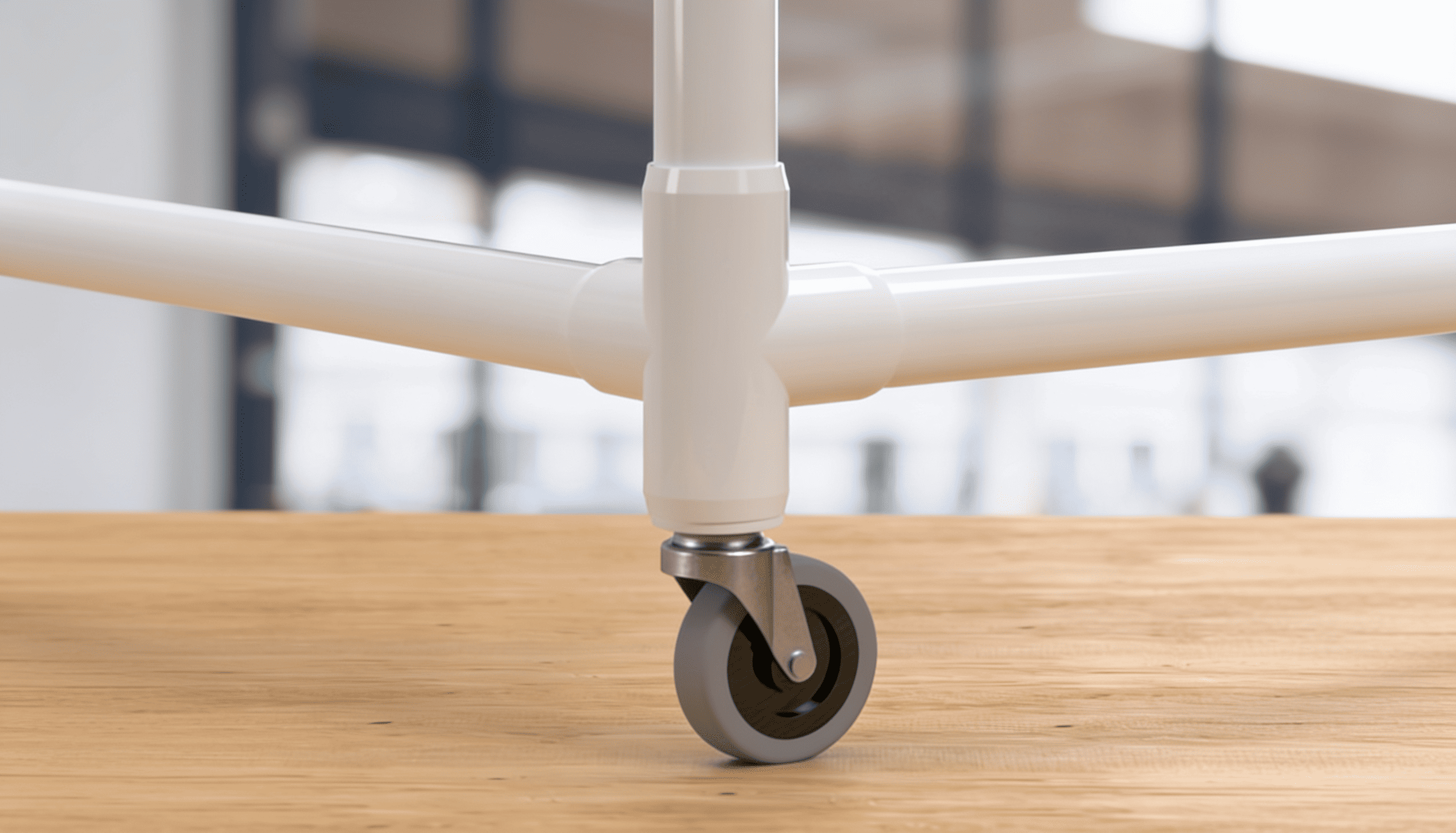
PVC Caster Wheels: Applications, Benefits, and Selection Tips
PVC caster wheels suit a wide range of industries because they balance load performance, floor compatibility, and affordability in one wheel type.
Key Takeaways
- PVC caster wheels come in three duty ratings: heavy-duty, medium-duty, and light-duty, each matched to specific load capacities and floor conditions.
- PVC wheels offer five advantages across commercial and industrial use: durability, floor protection, quiet operation, competitive pricing, and compatibility across multiple floor types.
- Choosing the right PVC caster requires matching your load capacity, floor surface, and equipment size to the correct duty rating and wheel diameter.
PVC caster wheels feature a polyvinyl chloride tread bonded to a polypropylene core and are built to carry loads smoothly across hard surfaces.
For businesses sourcing equipment, knowing what PVC wheels are is a practical starting point for better purchasing decisions.
Across the Philippines, these casters are widely used on hospital trolleys, warehouse platforms, and other material-handling equipment due to their durability, cost-effectiveness, and versatility across different floor surfaces.
This guide explores the different types of PVC wheels available, their common applications, and the key factors to consider before making a purchase.
What are PVC Wheels?
Understanding the meaning of PVC wheels starts with the material. Polyvinyl chloride, or PVC, is a rigid, synthetic plastic that resists moisture, chemicals, and general wear.
As a caster tread, it grips concrete and tile surfaces well, rolls quietly, and holds its form under daily use. PVC caster wheels balance rigidity and grip, making them suitable for hard industrial floor environments.
Different Types of PVC Wheels
Before settling on a wheel type, reviewing the full range of caster wheel types helps clarify how PVC compares to rubber, nylon, or polyurethane.
Once PVC fits your application, the next step is matching the right duty rating to your environment. PVC caster wheels come in three main categories:
Heavy-Duty PVC Wheels
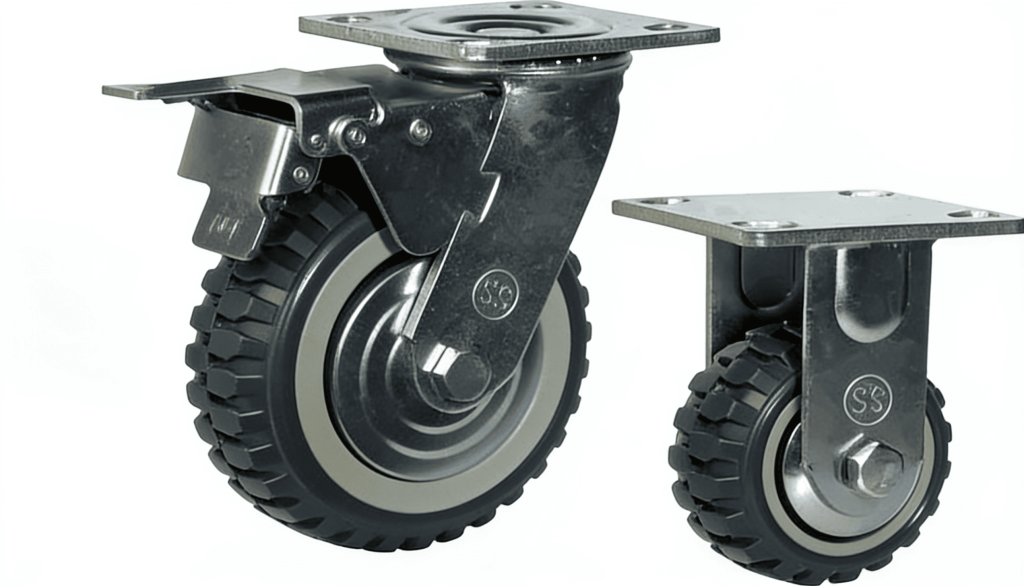
Built for outdoor and rough terrain use, heavy-duty PVC casters handle stony and uneven surfaces. With a load capacity of 200 to 700 kg and sizes from 4 to 8 inches, they suit rugged industrial and outdoor environments.
Medium-Duty PVC Wheels
For commercial and light industrial settings, medium-duty PVC casters provide reliable load support for trolleys and material-handling equipment. Available in 4- to 8-inch sizes with a load capacity of 200 to 700 kg, they are ideal on concrete, tile, and oily or greasy floors.
Light-Duty PVC Wheels
Designed for office and light commercial use, light-duty PVC casters provide smooth, quiet movement on flat surfaces. These wheels are suitable for furniture, small carts, and low-load applications where noise reduction and floor protection matter.
5 Advantages of Using PVC Wheels
PVC caster wheels offer a combination of durability, floor compatibility, and cost-effectiveness that suits a range of industrial environments.
1. Built to Last
PVC wheels resist moisture, oil, and mild chemical exposure, extending their service life in environments where spills and grime are common. They hold their form under consistent use on hard, abrasive surfaces and reduce replacement frequency compared to softer wheel materials.
2. Gentle on Floors
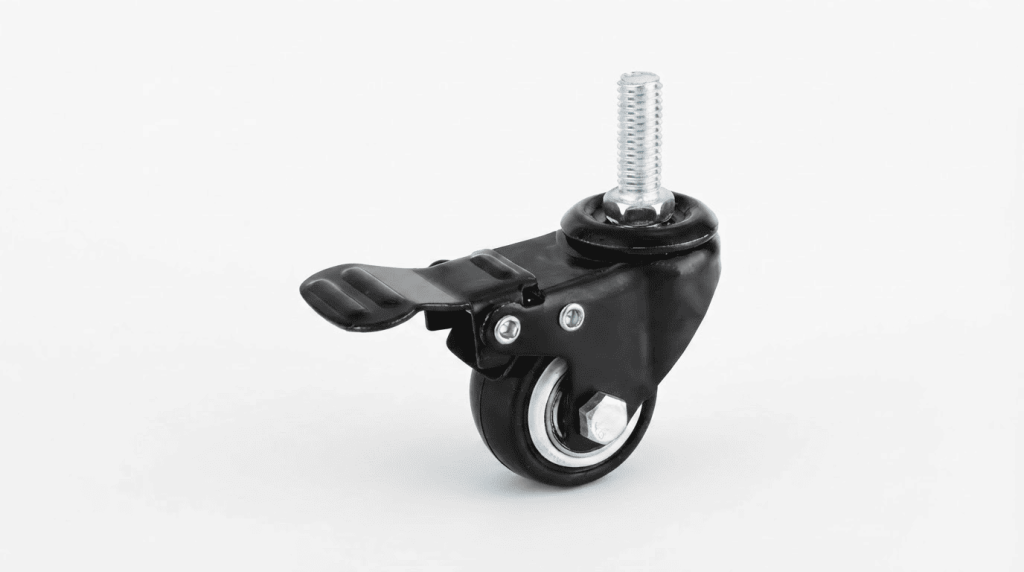
Compared to metal or hard nylon wheels, PVC offers a softer tread that reduces scratching and surface damage. This quality suits tiled showrooms, polished concrete warehouses, and medical facilities where floor protection is a priority.
3. Quiet Operation
PVC wheels generate less noise than metal or hard plastic alternatives. In healthcare and office environments, quieter casters support patient comfort and workplace focus, making them a practical upgrade over harder wheel materials.
4. Competitive Price Point
PVC caster pricing positions these wheels as a cost-effective option compared to specialty alternatives such as polyurethane or stainless steel casters. PVC suits applications that do not require the softer tread of polyurethane but still need solid floor protection and load performance. For bulk orders in construction or manufacturing, the cost difference between PVC and specialty wheels is substantial.
5. Versatile Across Floor Types
PVC casters perform reliably on concrete, tile, vinyl, and oily or greasy surfaces. This range lets buyers use one wheel type across multiple work environments without adjusting specifications for each area.
Common PVC Caster Wheel Applications
Understanding PVC caster wheel applications helps you match these wheels to your specific industry needs
Retail
In retail settings, PVC wheels move shelving units, display carts, and product trolleys in stockrooms and back-of-store areas. Their quiet operation and floor-friendly tread make them a practical fit for spaces where customers are present.
Material Handling
Across warehouses, distribution centers, and manufacturing plants, PVC casters are a standard feature on trolleys, platform trucks, and industrial carts. Their load capacity and consistent performance on concrete and tile floors make them a reliable everyday option.
Waste Management
PVC wheels are commonly found on waste bins and garbage carts in industrial and commercial facilities. Their resistance to moisture and mild chemical exposure keeps them functional in demanding waste management conditions.
Medical Equipment
Hospitals and clinics use PVC casters on beds, IV stands, medical carts, and equipment trolleys. Smooth, quiet movement supports patient comfort and allows safe, controlled handling of sensitive medical devices.
How to Choose High-Quality PVC Wheels
Selecting the right PVC caster starts with understanding your load requirements, floor type, and work environment. First, identify the maximum weight the wheel will regularly carry, then confirm that the load rating exceeds that figure by an appropriate safety margin.
Next, determine whether a fixed or swivel caster best suits your setup, and choose a wheel diameter that matches your equipment requirements.
Additionally, knowing how to measure the caster wheel helps ensure a proper fit while preventing premature wear or equipment instability.
Finally, look for a PP core with a thick PVC tread for added durability, and verify that the bracket and mounting hardware are rated for the wheel’s load before making a purchase.
The Importance of Choosing the Right PVC Wheels
The right caster wheel protects your floors, lowers maintenance costs, and keeps your team safe. Using an undersized or mismatched wheel raises the risk of failure, equipment damage, and unplanned downtime.
Investing in the correct PVC caster type for your environment extends equipment lifespan and keeps operations running without interruption. Whether you are outfitting a construction site or a hospital ward, the wheel type you choose directly affects the efficiency and safety of your daily workflows.
Source High-Quality PVC Caster Wheels from Global Nexus
With a clear understanding of the types, advantages, and applications, you are well-positioned to choose PVC casters that suit your environment and budget.
Start by assessing your load requirements, identifying your floor conditions, and matching them to the appropriate duty rating and wheel size.
Global Nexus carries a full range of PVC caster wheels for construction, commercial, and industrial use across the Philippines.
Whether you need a single replacement wheel or a complete facility order, our team can help you find the right fit at the right price.
Contact us today to explore our complete line of caster wheels and industrial products.
Frequently Asked Questions (FAQs) About PVC Caster Wheels
What is the difference between heavy-duty and light-duty PVC caster wheels?
Heavy-duty PVC casters handle rough terrain and loads of 200 to 700 kg, making them suited for outdoor and industrial use. Light-duty casters are built for flat indoor surfaces where quiet movement and floor protection are the main priorities.
Can PVC caster wheels be used on wet or oily floors?
Yes. PVC wheels resist moisture and oil, making them suitable for industrial kitchens, factories, warehouses, and other environments where spills are common.
How do PVC wheels compare to polyurethane wheels?
PVC wheels are firmer and more affordable than polyurethane. Polyurethane offers a softer tread and better shock absorption for sensitive surfaces. PVC suits applications that require reliable load support and floor protection without the higher cost of specialty wheel materials.
How do I know what size PVC caster wheel to buy?
Divide the total load by the number of wheels to get the per-wheel requirement. Then measure the existing wheel diameter and mounting plate dimensions. Global Nexus provides a caster wheel measurement guide to help you confirm the correct specifications before ordering.