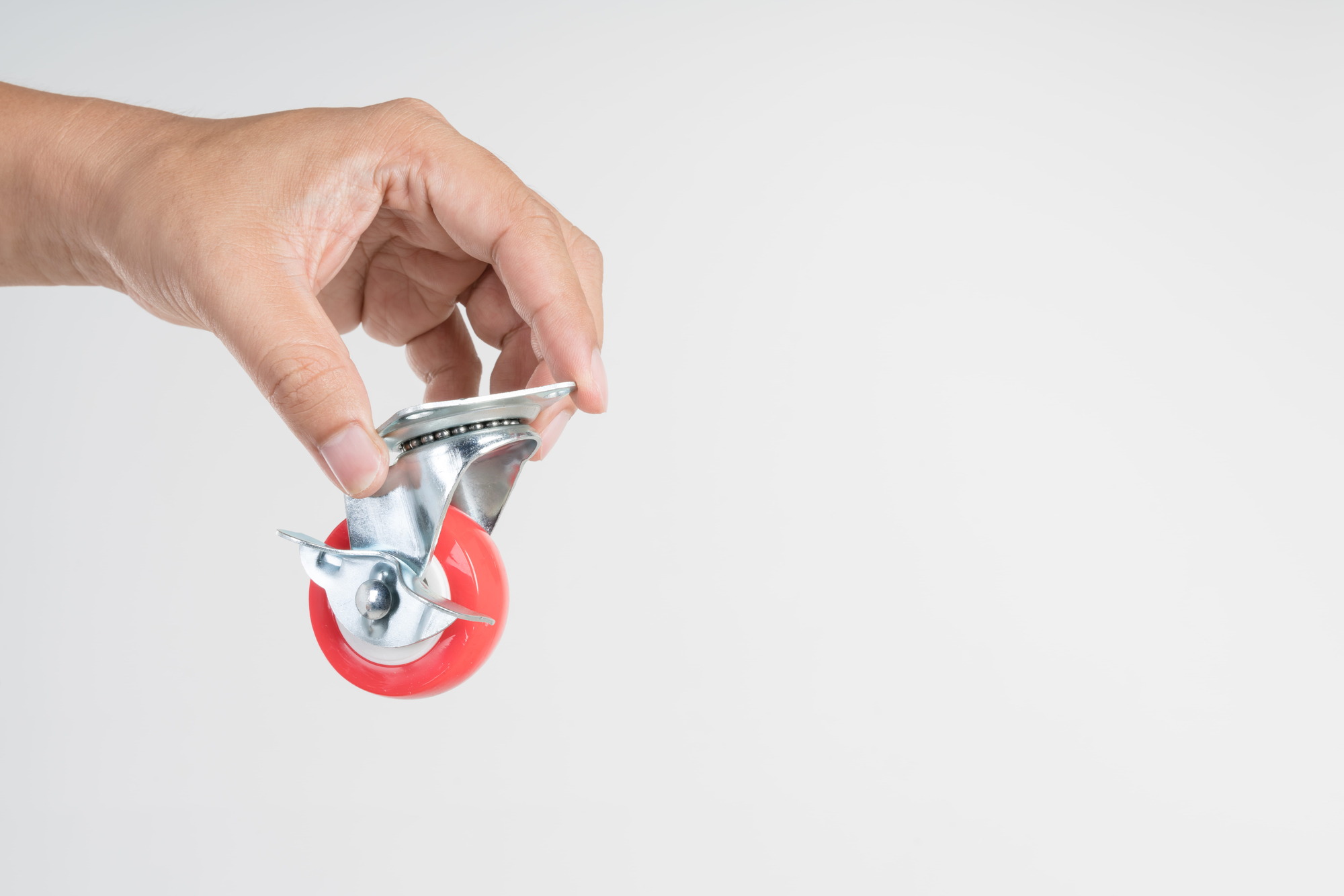
How to Maintain Polypropylene Caster Wheels for Longer Service Life
Carts used in hardware stockrooms, furniture workshops, and hospital corridors can pick up dust, thread, and grit as they roll around. When debris builds up around the caster wheels, it can affect how easily you can push and steer the cart.
Knowing how to maintain polypropylene caster wheels lets you stay ahead of that wear with just a few minutes of routine care.
With regular maintenance, your equipment can stay in good working condition for much longer. Trolleys are easier to push, casters swivel properly, and wear is easier to manage. This helps your team handle loads safely while getting more use out of the equipment you already have.
From routine cleaning to checking load capacity, these maintenance tips can help keep your polypropylene casters in good working condition.
The Importance of Polypropylene Caster Maintenance
Polypropylene (PP) is a tough, lightweight thermoplastic that resists water, many common chemicals, and corrosion. These strengths, which we cover in our guide to polypropylene caster wheel features, make PP a practical, cost-effective choice for equipment that moves through damp, frequently cleaned, or chemically treated areas.
A caster is made up of several parts that work together, including the wheel, bearing, axle, and swivel housing. Keeping these parts clean, lubricated, and properly secured helps the caster work as it should. Regular maintenance can help you get:
- Lower replacement costs, since well-kept casters stay in service longer
- Easier pushing and steering, which reduces physical strain on your staff
- Quieter movement for hospitals, showrooms, and occupied buildings
- Better floor protection across tile, epoxy, and finished concrete
Whether your fleet supports retail stockrooms or medical carts, these benefits carry across all polypropylene caster wheel applications.
10 Tips on How to Maintain Polypropylene Caster Wheels
1. Set a Regular Inspection Schedule
Inspect regularly used casters weekly, and check those on less-used equipment monthly. Look for cracks, flat spots, wobbling, and loose fasteners.
Keeping a simple record of these inspections can help your team catch issues early and plan caster replacements around your work schedule.
2. Clean Wheels and Treads Often
Good PP caster wheel care starts with soap and water. Scrub the tread with mild detergent and a soft brush, then rinse and dry the metal parts, such as the fork and axle, to protect them from rust. If your fleet also includes metal wheels, learn how to maintain cast iron wheels with a few extra steps.
3. Remove Hair, Thread, and Debris From the Axle
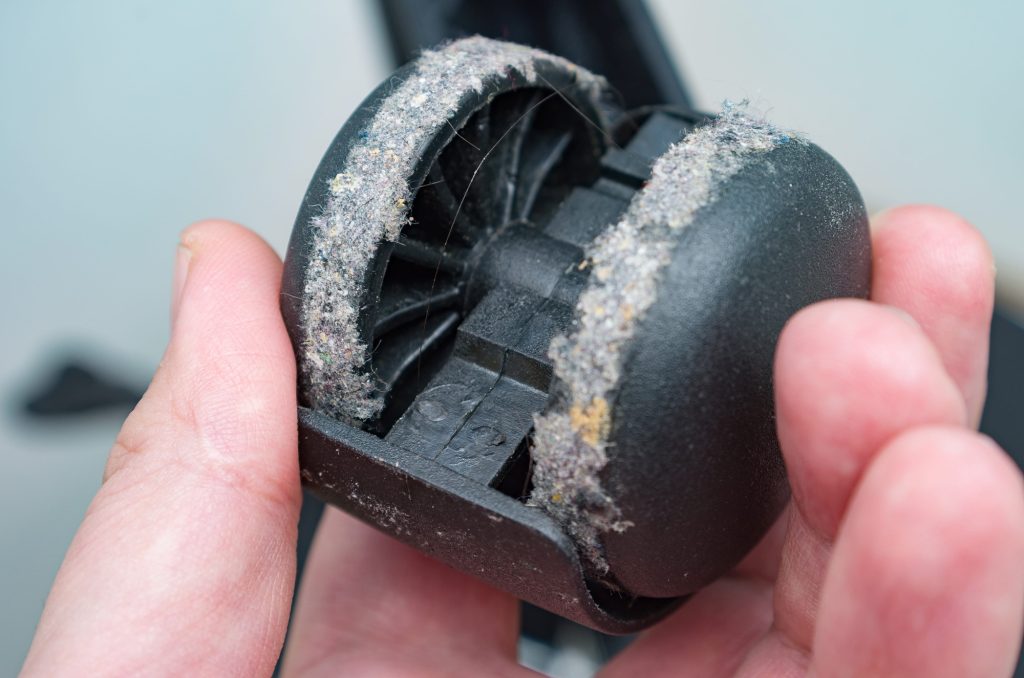
Debris such as hair, string, and packing tape can wrap around the axle and affect how the wheel turns. Check casters regularly, particularly in furniture shops and hospital wards. A hook tool or small scissors can help remove the buildup without damaging the caster. Keeping the axle clean also helps the wheel turn smoothly.
4. Lubricate Bearings and Swivel Joints
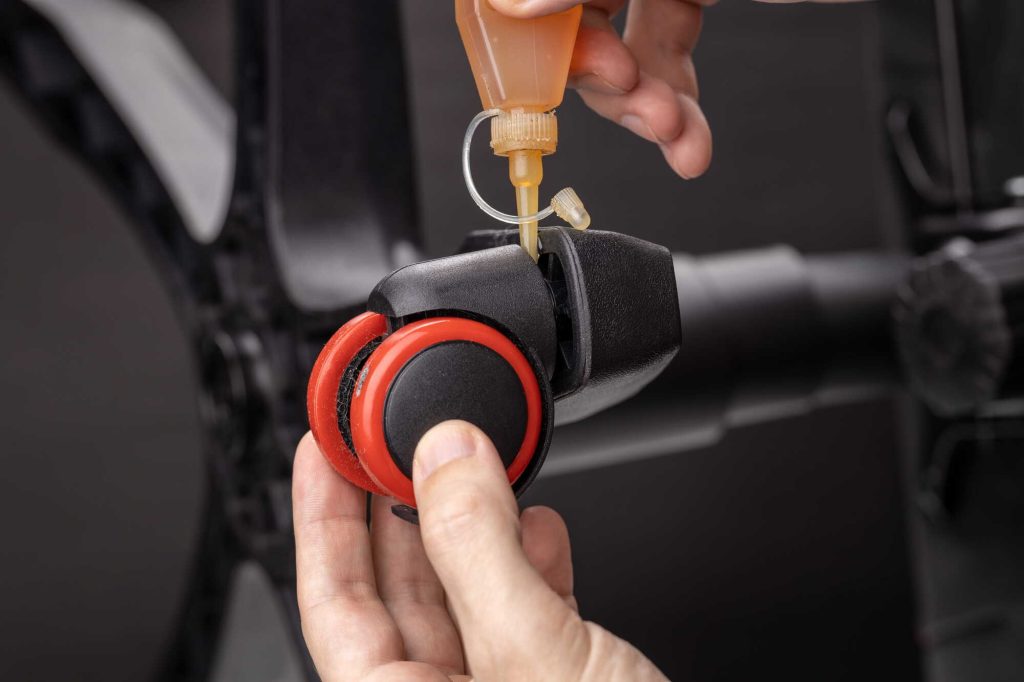
Apply light machine oil or general-purpose grease to bearings and swivel raceways every few months, and more often in dusty environments.
Use the lubricant type your caster manufacturer recommends, then wipe off the excess to keep the joint clean.
5. Tighten Mounting Hardware
Learning how to maintain polypropylene caster wheels also means caring for the hardware that holds them in place. Regular use can gradually loosen bolts, kingpin nuts, and top plate screws. Check these fasteners during each inspection and tighten them as needed. Replace worn lock washers and stripped bolts to keep the caster secure.
6. Stay Within the Rated Load Capacity
Every caster carries a maximum load rating. Divide the total weight of your cart and its contents by the number of casters to confirm you are within limits.
Many operators build in a safety margin by calculating as if only three of four casters share the load, which accounts for uneven floors. Spreading weight evenly across the platform also helps all wheels wear evenly.
7. Match the Wheel to the Floor
The hard PP tread rolls easily on smooth concrete, epoxy, and tile. Sweep travel paths regularly to keep small stones and metal shavings away from the tread. If your sites have different surfaces, browse our PP caster wheels in a range of sizes and mounting types to find the right fit for each area.
8. Keep Wheels Within Their Temperature Range
Polypropylene casters are ideal for normal indoor temperatures, though they can soften under prolonged high heat and stiffen in deep cold.
Avoid placing carts near ovens, steam lines, and heat-treating equipment. If you plan to use the casters in cold storage, check the manufacturer’s temperature rating first.
9. Store Equipment Properly
When equipment sits idle, park it on a flat, dry surface and engage the brakes. Unload heavy items during long storage periods so the wheels keep their round shape, and store carts away from direct sunlight to protect the plastic from long-term UV exposure.
10. Replace Worn Parts Early With Quality Components
When a wheel shows deep cracks or flat spots, replace it promptly, ideally as a full set so the cart stays level and balanced. Sourcing from a reliable polypropylene caster supplier gives you consistent sizing, verified load ratings, and replacements that match your existing fleet.
Keep Your Equipment Rolling With Global Nexus
A few minutes of polypropylene caster maintenance each week protects your equipment investment, supports safer material handling, and keeps daily operations moving.
Start with an inspection log, build cleaning and lubrication into your routine, and replace worn parts with quality components.
As a trusted industrial products supplier in the Philippines, Global Nexus offers durable PP casters, stainless steel pipes, storage racks, trolleys, and other essentials for construction, hardware, furniture, real estate, and medical operations.
Ready to upgrade your fleet or restock your supplies? Contact Global Nexus today to request a quote on industrial products built for long-term performance.