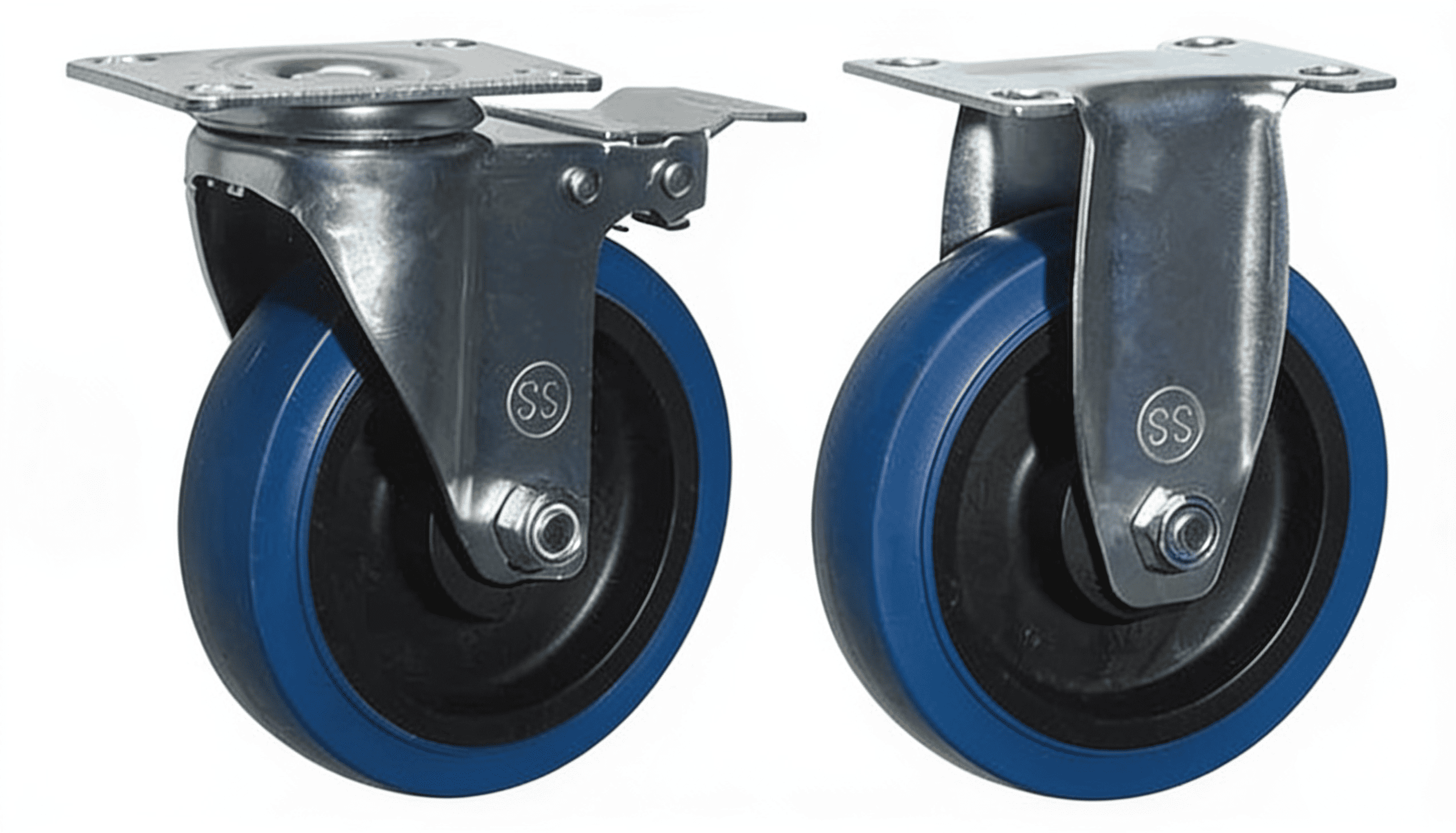
Thermoplastic Rubber Wheels: Features, Benefits, and Applications Across Industries
TPR caster wheels help businesses move equipment more efficiently while reducing floor wear and maintaining smooth, reliable operation.
Key Takeaways:
- TPR caster wheels combine the strength of plastic with the cushioning of rubber for smooth, reliable movement.
- Their non-marking, low-noise design makes them suitable for environments where floor protection and noise reduction matter.
- Choosing the right TPR caster wheel specifications helps improve equipment performance and reduce long-term maintenance costs.
Whether you’re outfitting a warehouse or stocking a hardware store, the quality of your caster wheels can impact daily operations.
Among the options available today, thermoplastic rubber wheels stand out for their performance across a wide range of environments. Known for their durability, low noise output, and floor-friendly design, TPR wheels are quickly becoming the go-to choice for industrial and commercial applications in the Philippines.
Understanding the benefits and features of TPR wheels will help you make smarter sourcing decisions and keep operations running without interruption.
Let’s explore what TPR wheels are, their common applications, and the factors to consider when choosing the right option for your business.
What are Thermoplastic Rubber Wheels?
Thermoplastic rubber (TPR) is a class of copolymers that combines the structural properties of plastic with the flexibility of rubber. Unlike vulcanized rubber, TPR wheels can be remolded when heated, which makes it easier to manufacture them in consistent shapes and sizes.
The result is a wheel that performs like rubber but is produced with the precision and repeatability of a thermoplastic process.
TPR wheels are typically injection-molded over a hard core, often made of polypropylene or nylon. It provides structural rigidity, while the outer TPR tread handles contact with the floor.
This construction produces a wheel that reliably grips surfaces, absorbs vibration, and resists wear and corrosion. These qualities make it suitable for demanding commercial and industrial settings.
This type of caster wheel is also available in various load ratings, diameters, and mounting configurations, making them adaptable to a broad range of caster frames.
5 Benefits of Using TPR Caster Wheels
TPR caster wheels are becoming a popular choice across industries because they combine several key benefits into a single product.
1. Floor Protection
TPR wheels are non-marking and gentle on finished surfaces. It makes them particularly valuable in settings where floor aesthetics matter, such as furniture showrooms, real estate model units, and retail spaces.
The soft tread distributes load evenly, reducing pressure concentration that can cause dents, scratches, or scuff marks on hardwood, vinyl, or epoxy floors.
2. Low Noise Operation
One of the most consistently cited benefits of TPR casters is their quiet roll. The elasticity of the TPR compound absorbs vibrations and reduces noise during movement.
For healthcare facilities, TPR wheels’ ability to reduce rolling noise can be a significant advantage over nylon and polypropylene alternatives.
3. Chemical and Corrosion Resistance
TPR wheels resist exposure to oils, mild solvents, and cleaning agents. In warehouses, manufacturing plants, and storage facilities, equipment is regularly cleaned with industrial products that degrade rubber or cause plastic to crack over time.
TPR casters are particularly suitable for environments where regular washing or chemical exposure is part of daily operations.
4. Good Load Capacity for a Soft Wheel
Despite their soft tread, TPR wheels can handle substantial loads when properly sized. The rigid core structure carries the weight, while the outer TPR layer contacts the floor.
TPR wheels strike a balance between softness and load-bearing capability that is hard to find in a single-material wheel design.
5. Extended Service Life
TPR wheels are designed to resist wear from regular use, helping extend wheel life in many indoor applications. As a result, businesses may benefit from less frequent replacements and reduced maintenance requirements.
For carts, trolleys, and mobile shelving, longer-lasting caster wheels can help minimize downtime and reduce replacement costs over time.
Industrial Applications for TPR Caster Wheels
The versatility of TPR caster wheels is one of their defining characteristics. Across industries, their combination of floor protection, load capacity, and quiet operation makes them a practical choice.
Construction and Hardware Supply
Construction sites and hardware stores rely on carts and trolleys to move heavy materials like pipes, fasteners, and building hardware.
TPR wheels handle the weight demands of these loads while protecting warehouse and showroom flooring. Their resistance to dust and debris also extends service life in environments that are not always clean.
Retail Stores
Retail stores frequently use carts, display racks, and movable fixtures to restock products, reorganize layouts, and create seasonal displays. TPR caster wheels provide smooth, quiet movement while helping protect tile, vinyl, and other finished flooring from marks and scuffs.
Their low-noise operation also contributes to a more pleasant shopping experience for customers.
Medical Facilities
In healthcare facilities, equipment needs to move smoothly while supporting strict hygiene standards and a comfortable environment for patients. TPR caster wheels are commonly fitted to medical carts and transport equipment due to their quiet operation, floor-friendly design, and resistance to frequent cleaning.
As a result, medical caster wheels have become a dependable solution for hospitals, clinics, and laboratories.
Warehousing and Logistics
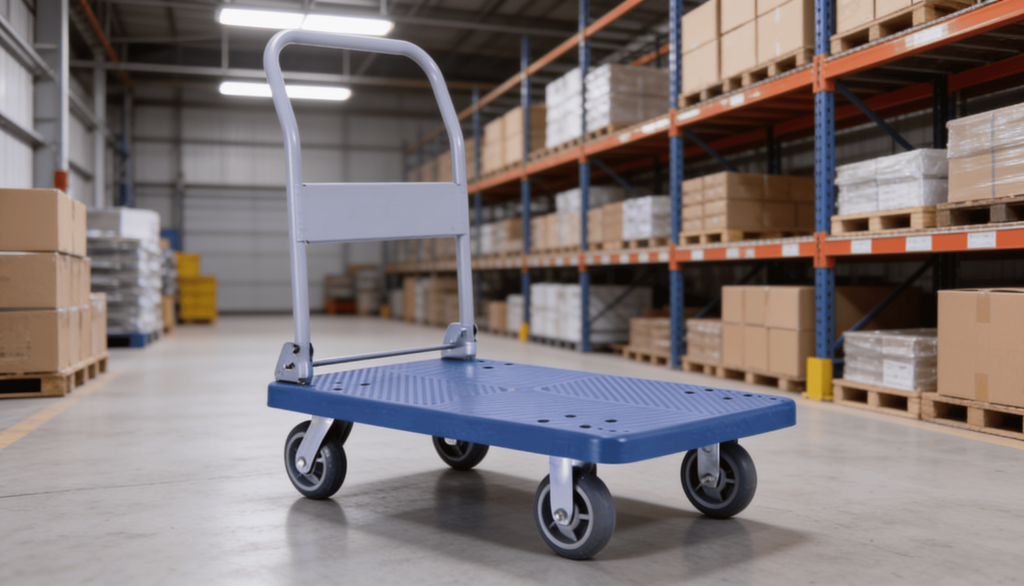
Warehouses depend on mobile shelving, picking carts, and stockroom trolleys to keep goods moving efficiently. TPR wheels are well-suited for these applications, offering dependable grip and long-lasting performance on a variety of floor surfaces.
They also roll more quietly than harder-wheel materials and help minimize noise in large facilities where employees spend long hours on the floor.
Food Processing Facilities
In food processing environments, equipment must be easy to move and simple to maintain. TPR caster wheels are a popular choice for carts, trolleys, and mobile workstations thanks to their smooth rolling performance, low noise levels, and resistance to frequent washdowns.
They also help protect floors from scuffs and marks, supporting a cleaner production area.
Pharmaceutical Manufacturing
From production lines to storage areas, pharmaceutical operations depend on mobile equipment to keep materials and products moving efficiently. TPR caster wheels provide smooth, quiet mobility while helping protect facility floors from marks and damage.
These qualities make them well-suited for cleanrooms, laboratories, and other controlled environments.
Tips on Choosing Quality TPR Caster Wheels
Not all TPR wheels are manufactured to the same standard. Selecting the right wheel requires evaluating several factors:
- Check the load rating carefully. Always verify that the wheel’s rated load capacity exceeds your application’s actual peak load, including the weight of contents. Overloading shortens wheel life.
- Assess the core material. A polypropylene core suits lighter loads and indoor environments. A nylon core provides greater rigidity for heavier applications. Ask your supplier which core material is used in the specific wheel model you are considering.
- Confirm the TPR compound quality. Lower-cost TPR formulations may lack the abrasion resistance and chemical tolerance of higher-grade compounds. Request material specifications or product data sheets when evaluating options for long-term operational use.
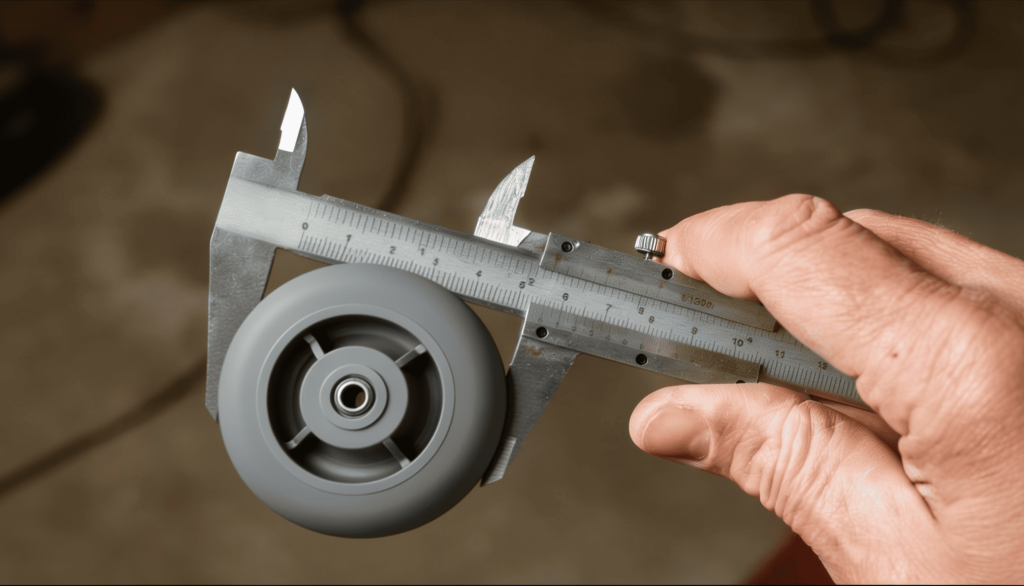
- Match and measure the caster wheel diameter to your surface conditions. Larger diameter wheels roll more easily over uneven surfaces and debris. For smooth floors, smaller wheels are adequate and offer better maneuverability in tighter spaces.
- Evaluate the bearing type. Precision ball bearings support higher speeds and heavier loads with less rolling resistance. Plain bore bearings are cost-effective for slower, lighter applications. Matching bearing type to use conditions extends the life of both the wheel and the axle.
- Consider the swivel radius and mounting plate dimensions. The caster frame geometry must suit your equipment’s design. Mismatched mounting configurations reduce stability and can cause uneven wear on the wheel.
- Look for consistent molding quality. Inspect wheels for surface uniformity, proper bonding between the TPR tread and the core, and absence of visible voids or flash. Inconsistent molding indicates quality control issues that will affect performance over time.
- Source from a trusted supplier. Procurement from a reputable local distributor like Global Nexus ensures product consistency, availability of replacement units, and access to technical guidance when your requirements evolve.
Discover TPR Caster Wheel Solutions from Global Nexus
TPR caster wheels are a practical choice for businesses that need a balance of floor protection, quiet operation, and reliable performance. Their versatility makes them suitable for a wide range of applications, from healthcare environments to construction supply operations.
Since 1995, Global Nexus has helped businesses source industrial products designed for local operating conditions. Whether you’re upgrading existing equipment or selecting caster wheels for a new project, our team can help you find a solution that fits your application requirements.
Explore our range of caster wheels today and contact our team for a quotation.
Frequently Asked Questions About TPR Caster Wheels
What makes TPR caster wheels different from standard rubber wheels?
TPR wheels offer many of the same cushioning and noise-reduction benefits as rubber wheels but provide more consistent performance and resistance to wear. They are also easier to manufacture with uniform quality.
Will TPR caster wheels leave marks on finished floors?
No. TPR wheels are non-marking, making them a popular choice for tile, vinyl, epoxy-coated, and other finished flooring surfaces commonly found in commercial facilities.
What industries commonly use TPR caster wheels?
TPR caster wheels are widely used in warehouses, retail stores, healthcare facilities, food processing plants, pharmaceutical facilities, and construction supply operations.
How do I choose the right TPR caster wheel?
Consider factors such as load capacity, wheel diameter, core material, bearing type, and floor conditions. Matching these specifications to your application helps ensure smooth operation and longer wheel life.